Choosing the perfect paint color for your home can be overwhelming, but the right shade can completely transform a space. Whether you’re looking for calming neutrals, bold accent colors, or timeless classics, selecting the best paint color involves understanding color psychology, lighting effects, and undertones.
In this guide, we’ll walk you through how to choose the perfect paint color based on expert design principles, so you can make the best choice for your space.
1. Color Psychology: How Different Shades Affect Mood
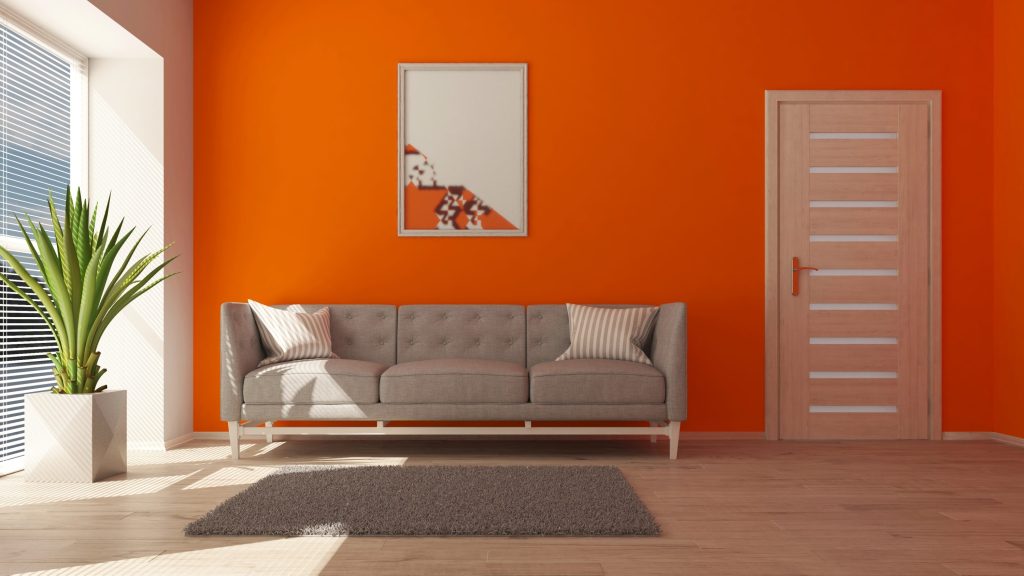
Colors influence how a room feels. Here’s a breakdown of popular paint colors and their effects:
Neutral Shades (White, Beige, Gray, Taupe) → Timeless, clean, and versatile. Perfect for modern and minimalist interiors
Blues & Greens → Calm and refreshing, making them great choices for bedrooms, bathrooms, and home offices
Yellows & Oranges → Energizing and warm, ideal for kitchens and living rooms
Reds & Deep Tones → Bold and dramatic, often used in dining rooms or accent walls to create a cozy feel
Earthy & Natural Tones (Terracotta, Olive, Deep Brown) → Bring warmth and organic beauty to bohemian, rustic, or Scandinavian-style homes
Pro Tip: For a relaxing atmosphere, stick to cool tones (blue, green, soft gray). For a cozy and inviting space, opt for warm tones (beige, creamy white, deep red, or muted terracotta).
2. How Lighting Affects Paint Colors (Natural vs. Artificial Light)
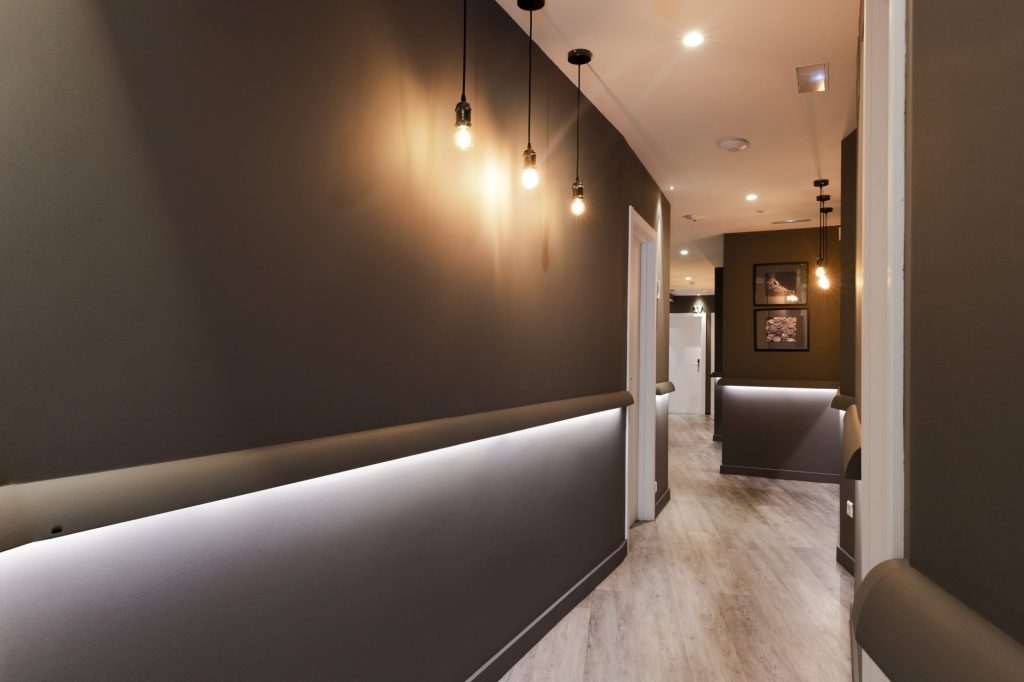
Lighting changes how paint colors look on your walls throughout the day.
Natural Light:
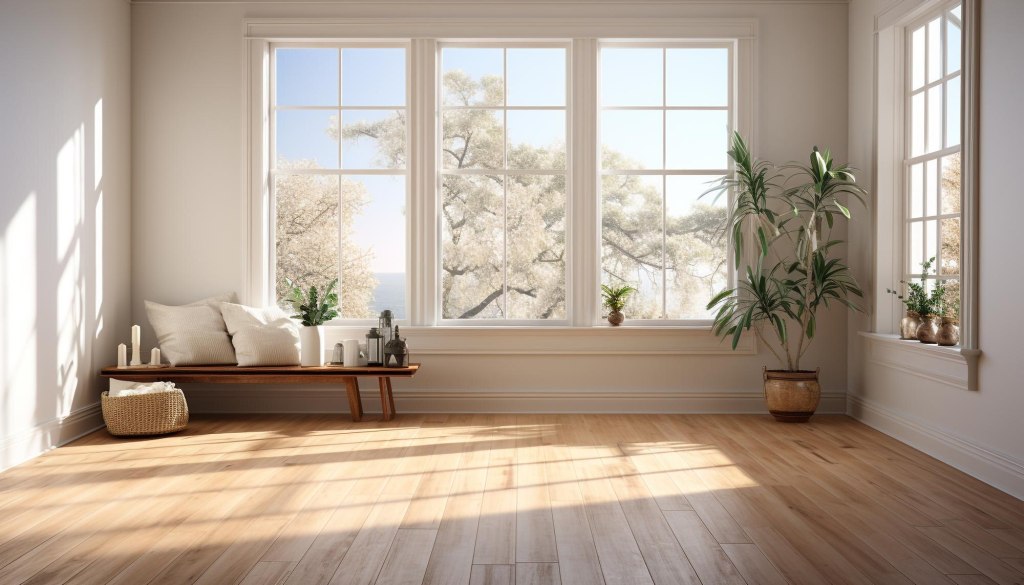
North facing rooms → Colors appear cooler; avoid shades with blue undertones
South facing rooms → Colors appear warmer; most shades work well
East facing rooms → Morning light is bright, but afternoon light is cooler
West facing rooms → Warm afternoon light enhances deeper hues
Artificial Light:
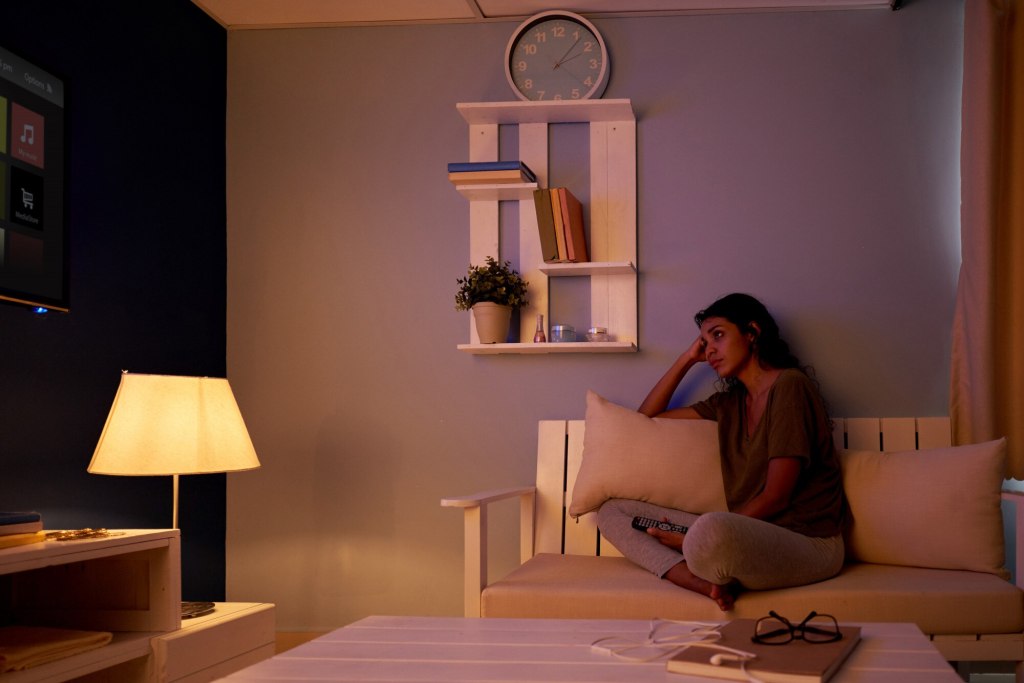
Warm white bulbs → Enhance warm colors but can distort cooler tones
Cool white bulbs → Give a crisp look, but may make some shades feel sterile
LED vs. Incandescent → LED bulbs tend to neutralize undertones, while incandescent adds warmth
Pro Tip: Test your paint swatches at different times of the day to see how the lighting affects the color before committing to a full wall.
3. Understanding Undertones: Warm, Cool, or Neutral?
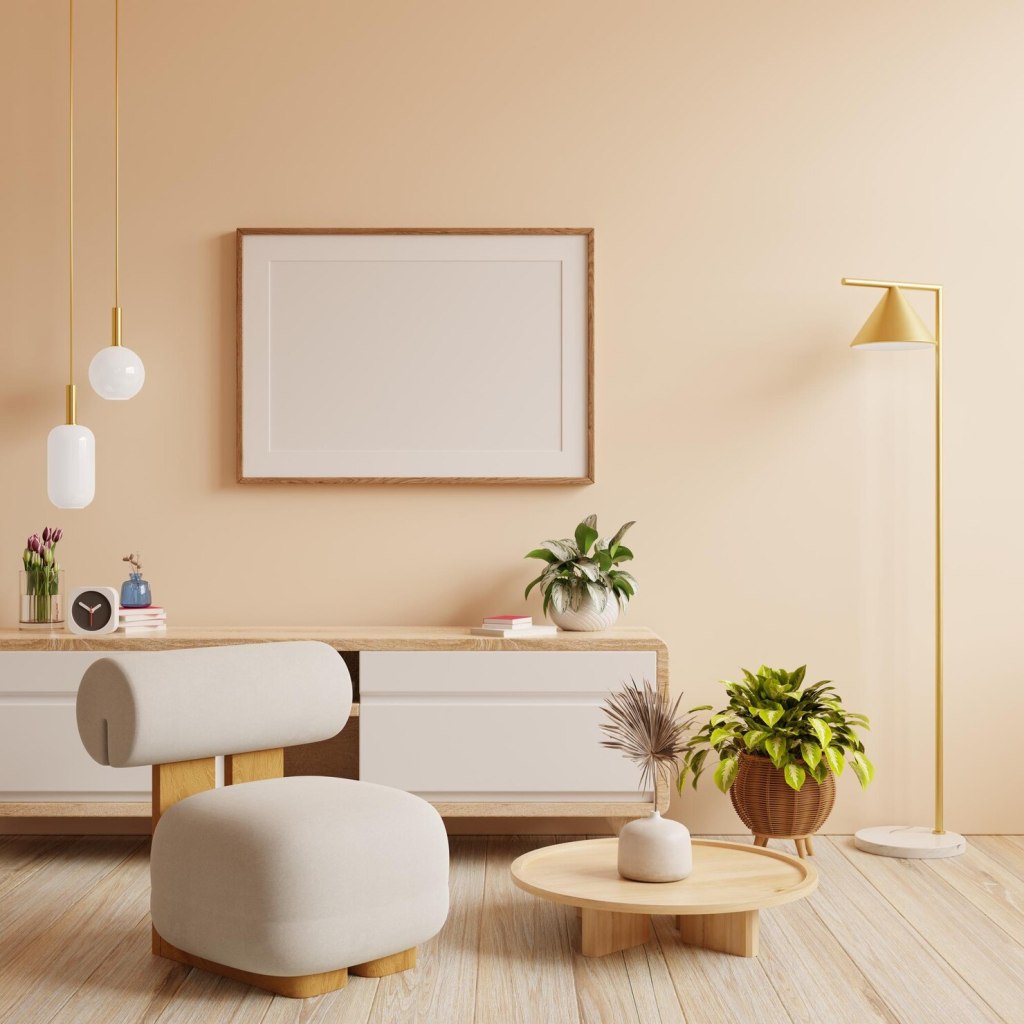
Even neutral paint colors have undertones that can shift depending on surroundings.
Warm undertones → Yellow, red, or brown hues (seen in creamy whites, taupes, and warm grays)
Cool undertones → Blue, green, or purple hues (found in crisp whites, icy grays, and cool-toned blues)
Neutral undertones → A perfect balance of warm and cool (often seen in pure white and greige shades)
Pro Tip: Compare your paint swatch next to a plain white piece of paper—this helps you see its true undertone more clearly.
4. Use the 60-30-10 Rule for a Perfect Color Palette
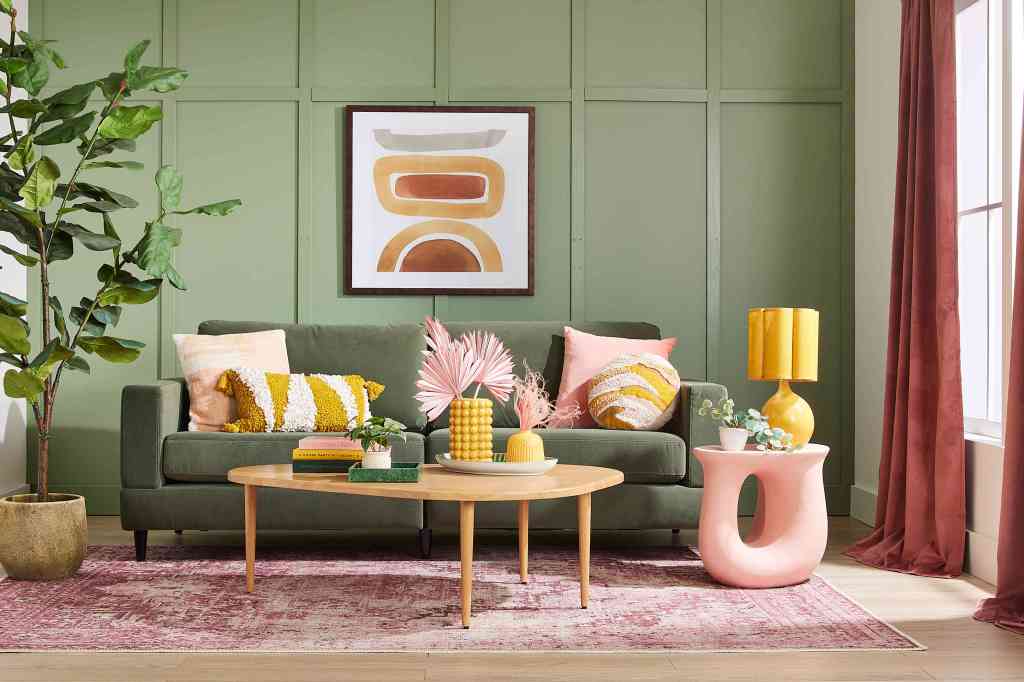
A balanced paint color scheme follows this simple rule:
60% – The dominant color (walls or large furniture)
30% – A secondary color (curtains, rugs, or an accent wall)
10% – A contrasting pop of color (artwork, pillows, or decor accessories)
Pro Tip: If you’re unsure, go for neutral walls (60%), a complementary soft shade (30%), and a bold accent color (10%) for a cohesive look.
Test Paint Colors Before You Commit
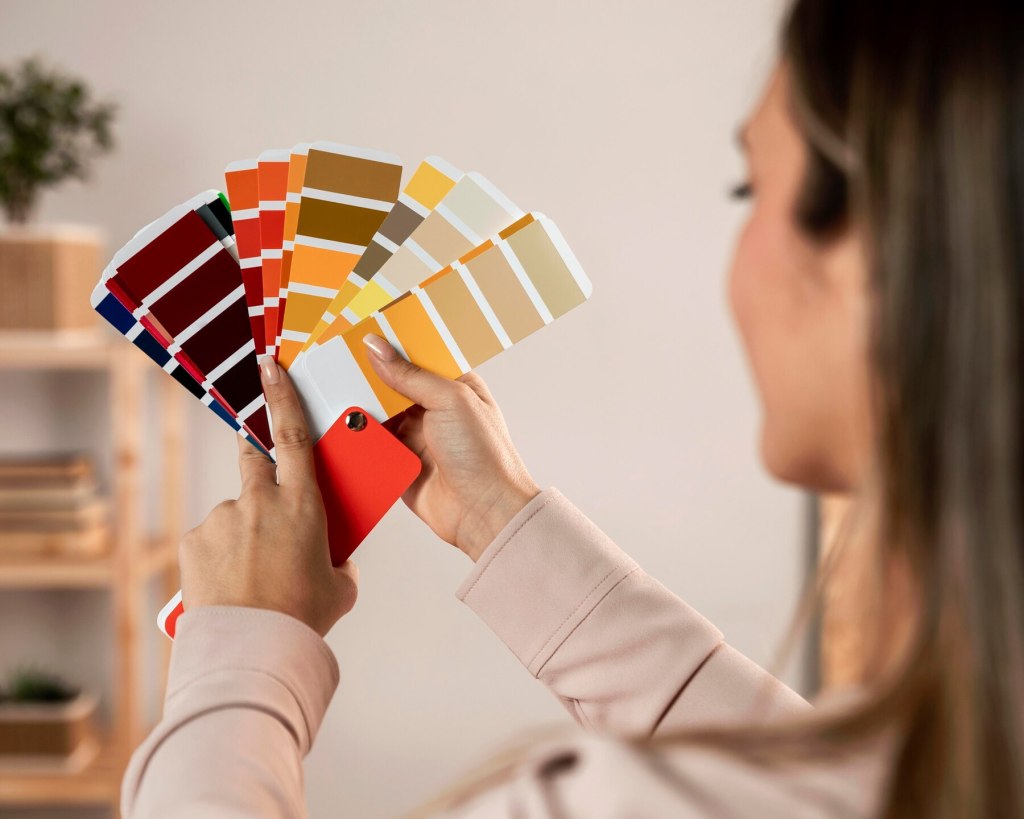
Paint always looks different on a wall than on a tiny swatch. Before painting an entire room:
Buy sample pots and paint large test patches on different walls.
Observe it in different lighting (morning, afternoon, evening).
Check against furniture and decor to ensure it complements your space.
Pro Tip: Avoid painting samples directly onto existing colored walls, as the underlying paint can distort the new shade. Instead, paint swatches on white poster boards and tape them to the wall.
FAQs About Choosing the Right Paint Color
Q: What is the best paint color for a small room?
A: Light, neutral tones like off-white, soft gray, or pale pastels make small spaces feel larger and more open.
Q: How do I choose the right white paint?
A: Warm white shades add coziness, while cool white tones create a crisp, modern feel.
Q: Should I use the same color throughout my house?
A: Using a consistent neutral base with slight variations in accent colors can create a cohesive flow without feeling monotonous.
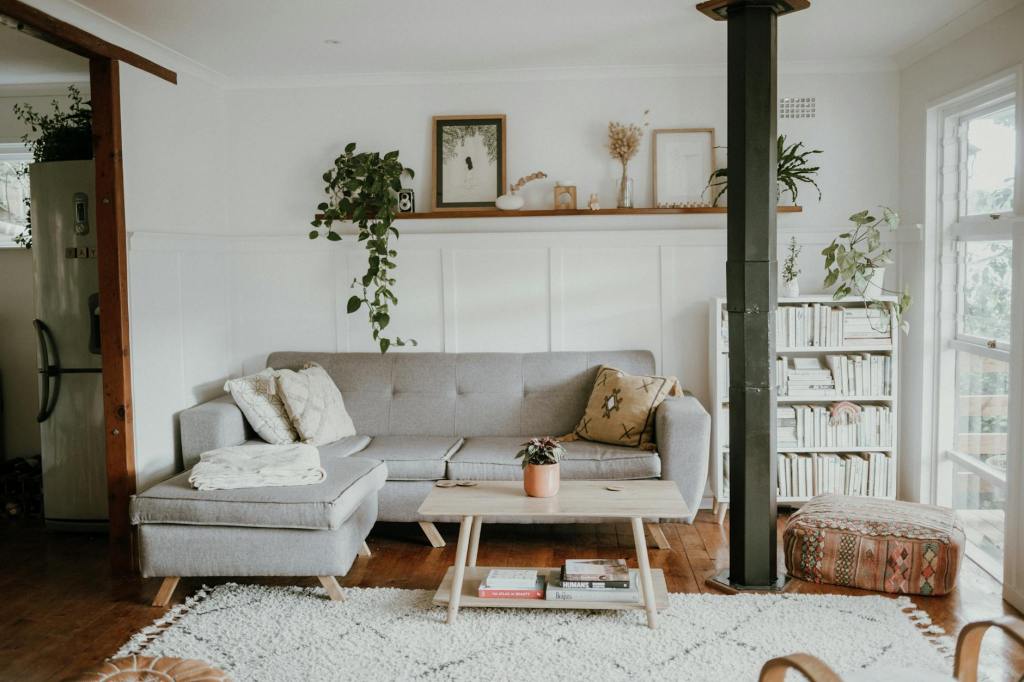
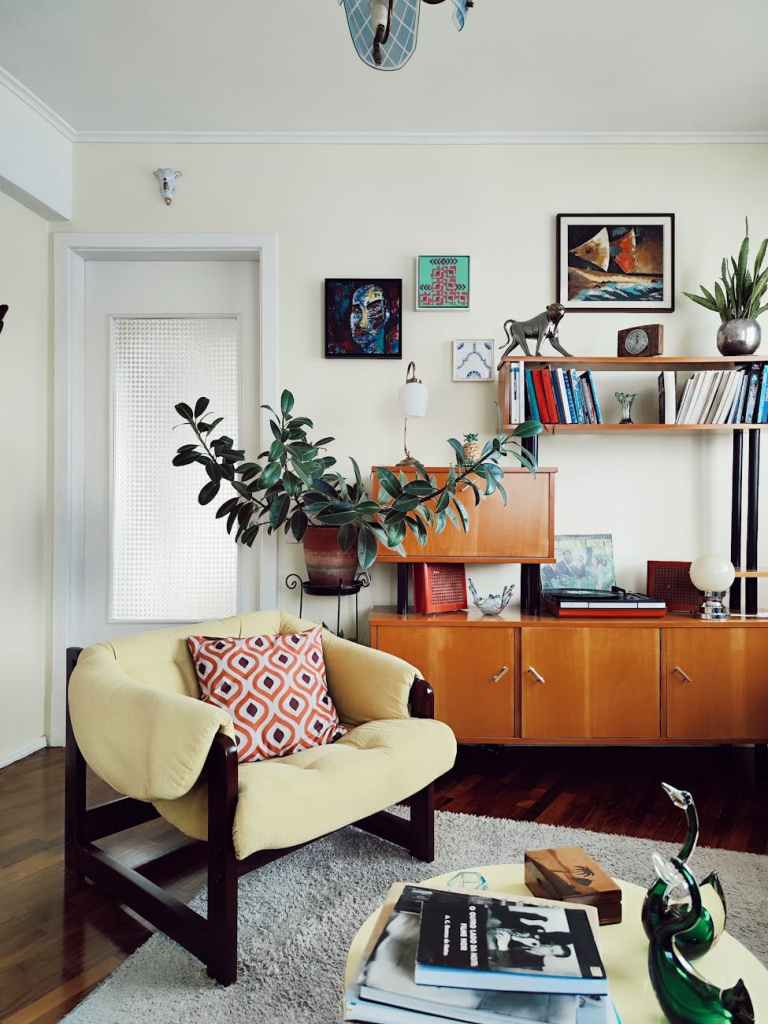
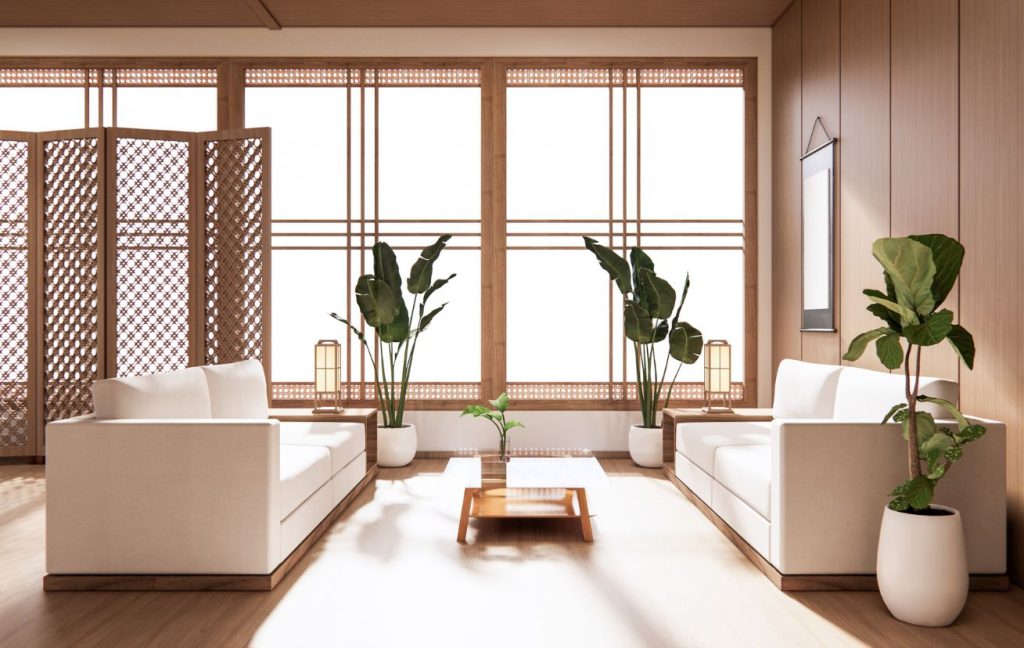
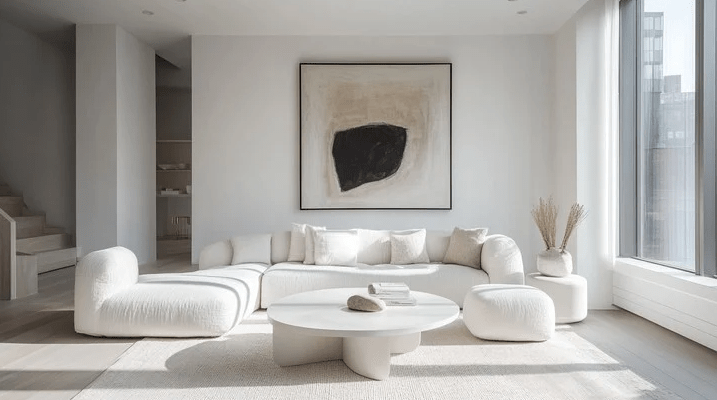
Need some inspiration for what style to go for? Check out these articles exploring different architectural styles:
Final Thoughts
Choosing the perfect paint color isn’t just about picking a shade you like—it’s about understanding color psychology, lighting, undertones, and balance to create a space that feels just right.