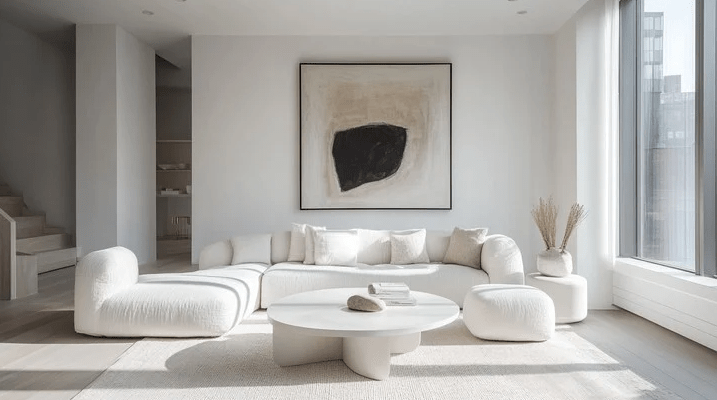
Western Minimalism in architecture emerged in the mid-20th century as a response to the excess of traditional ornamentation, focusing instead on clean lines, open spaces, and material honesty. Influenced by Bauhaus principles and Modernist ideals, this style strips architecture down to its essential elements, creating spaces that feel calm, functional, and visually pure.
Unlike Japanese Minimalism, which emphasizes nature and organic imperfections, Western Minimalism is geometric, industrial, and structured, often incorporating glass, steel, and concrete to achieve a sleek, futuristic look. It is a style that celebrates spatial clarity, monochrome palettes, and an absence of unnecessary decoration, making it one of the most enduring design movements in contemporary architecture.
Check out my article about Japanese Minimalism.
Defining the style
Clean Lines & Geometric Simplicity
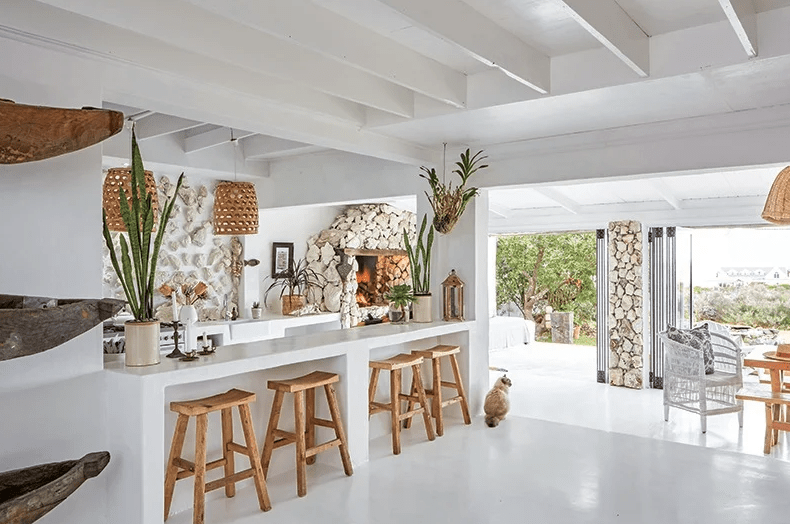
Western Minimalism embraces straight lines, sharp angles, and pure geometric forms to create a sense of order and clarity. The architecture avoids unnecessary curves or ornamentation, ensuring that every element serves a functional purpose.
Open, Expansive Spaces
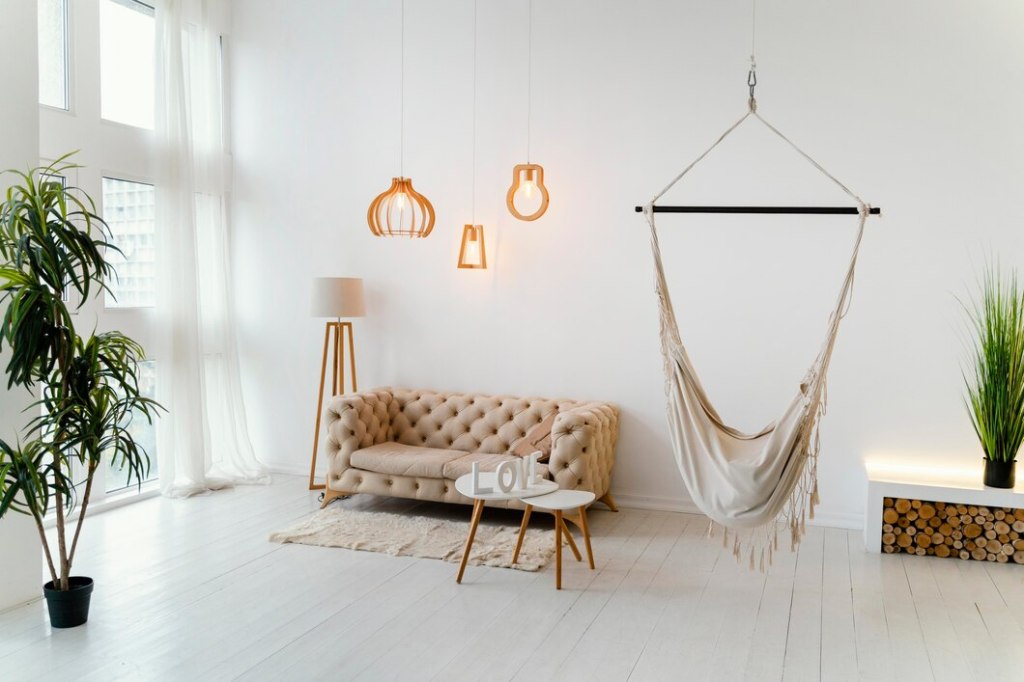
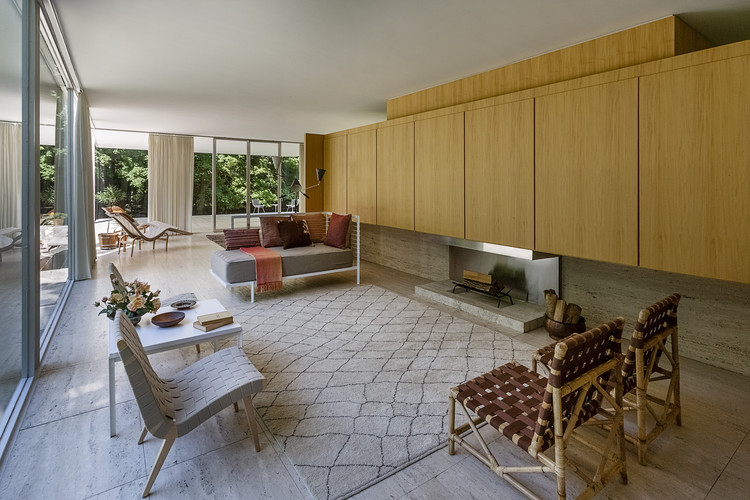
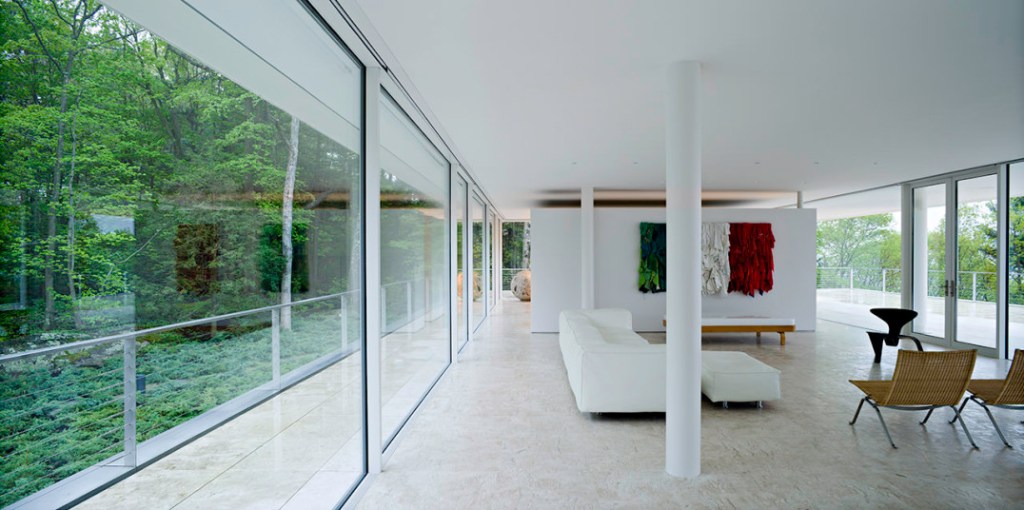
A defining feature of Western Minimalism is its emphasis on large, open spaces that flow effortlessly from one area to another. Walls are minimized, and interiors feel spacious and airy, with a focus on continuous sightlines and natural movement.
Industrial & Modern Materials
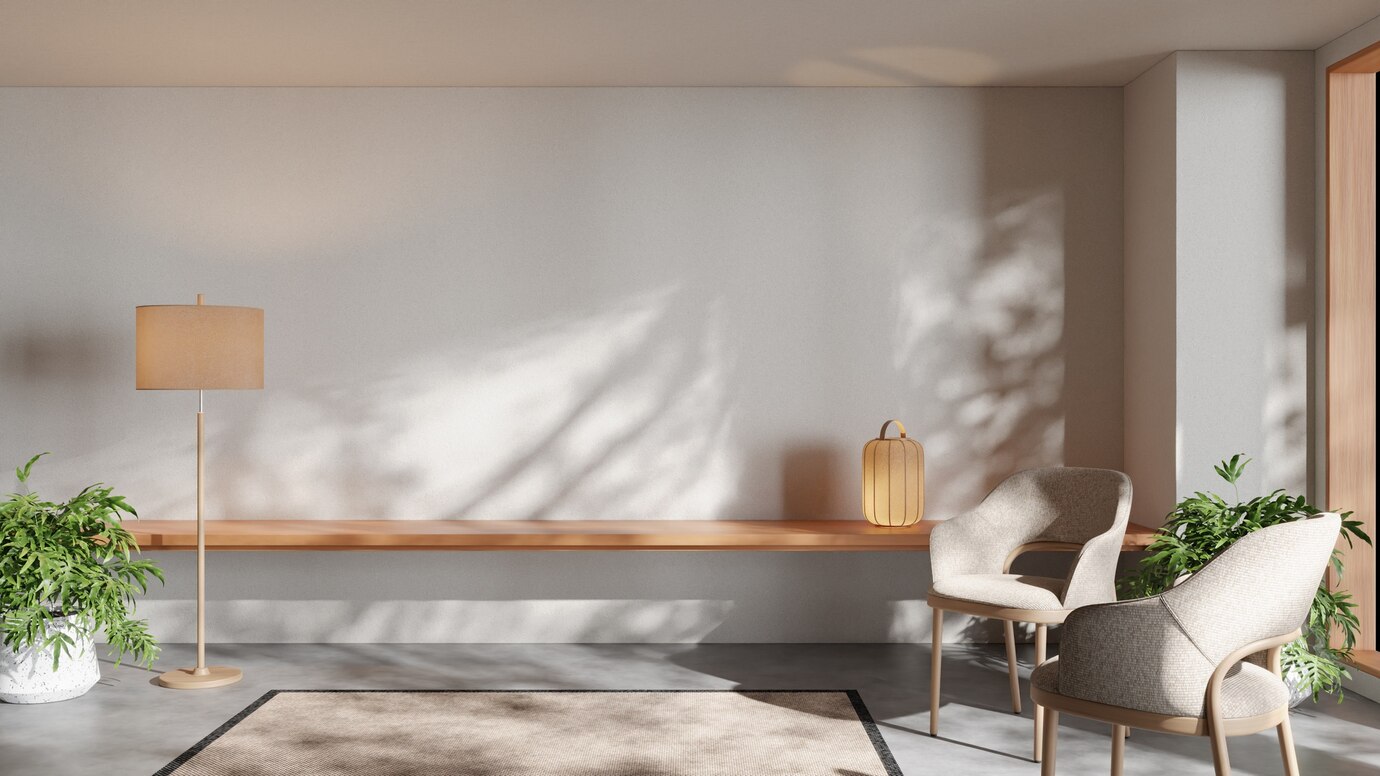
Unlike traditional European architecture, which favors intricate detailing, Western Minimalism highlights industrial materials like concrete, glass, steel, and wood in their raw form. The goal is to showcase the natural texture and honesty of materials rather than covering them with decorative finishes.
Monochrome & Neutral Color Palettes
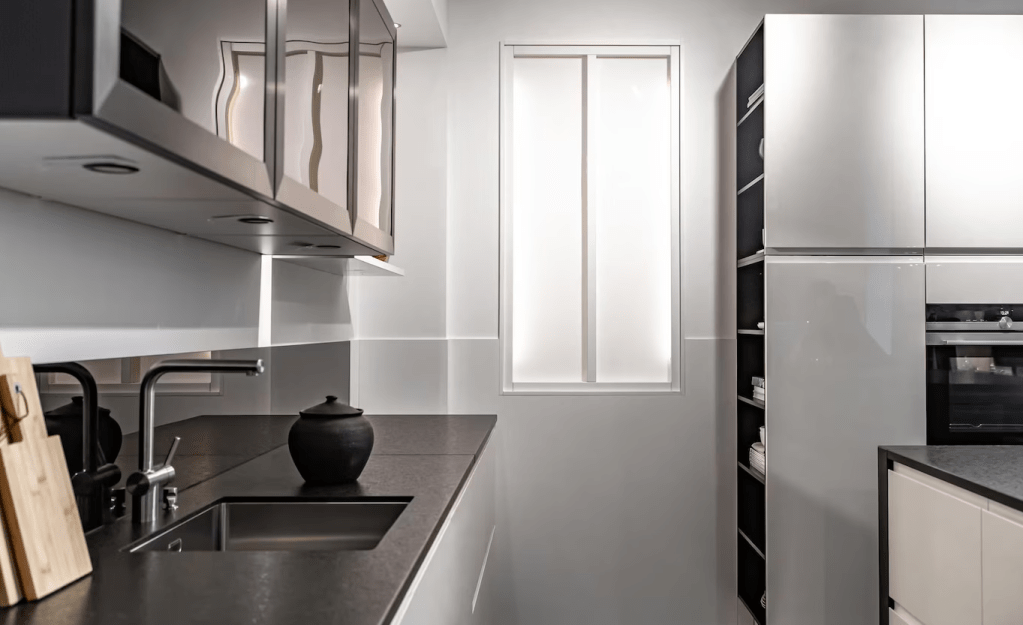
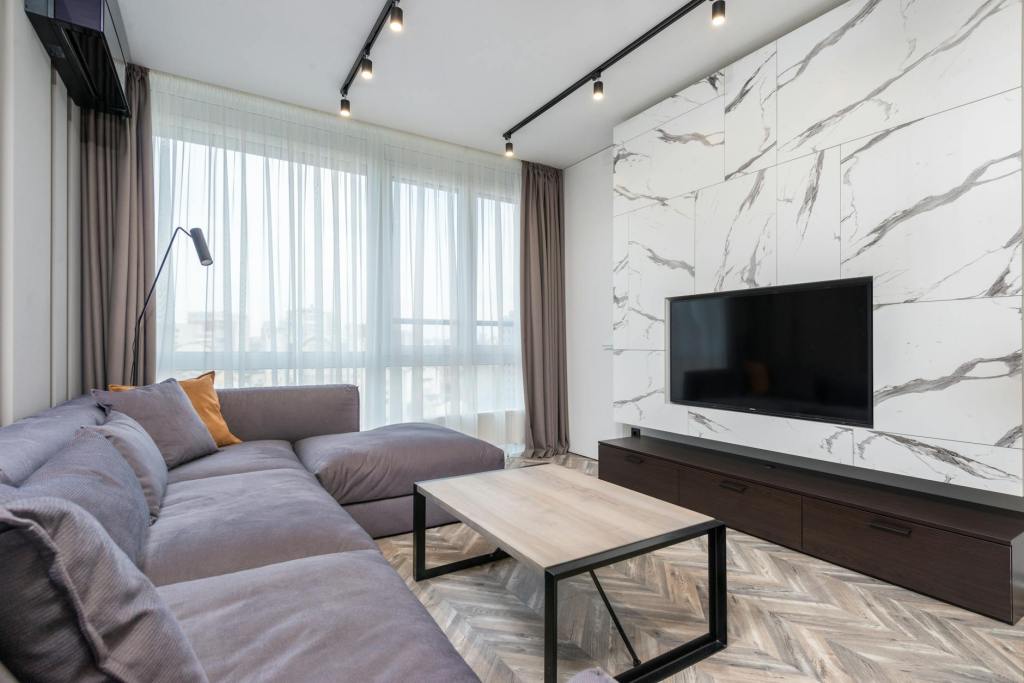
Western Minimalist architecture typically features a muted, neutral color palette, with shades of white, gray, and black dominating the space. This creates a sense of calm and visual harmony, allowing light and shadow to define the structure.
Minimal Ornamentation & Hidden Functionality
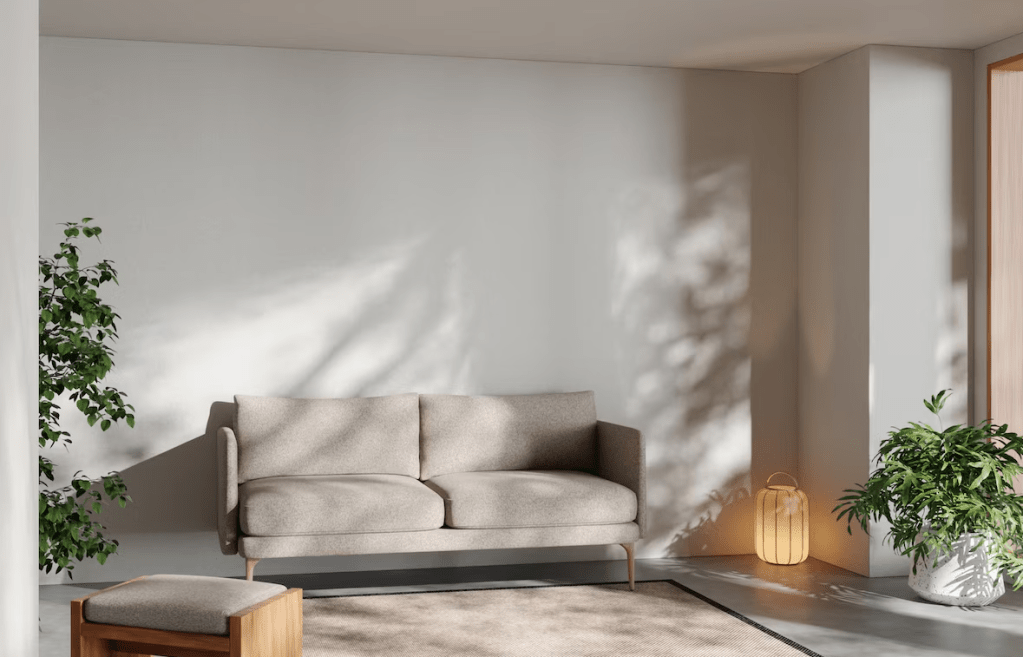
A key principle of Western Minimalism is the elimination of unnecessary decorative elements. Instead, functionality is often hidden within the design, ensuring that everything serves a practical purpose without cluttering the space visually.
Pioneering Architects of Western Minimalism
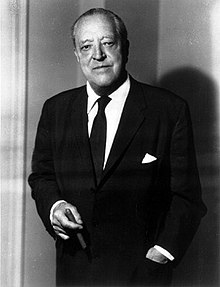
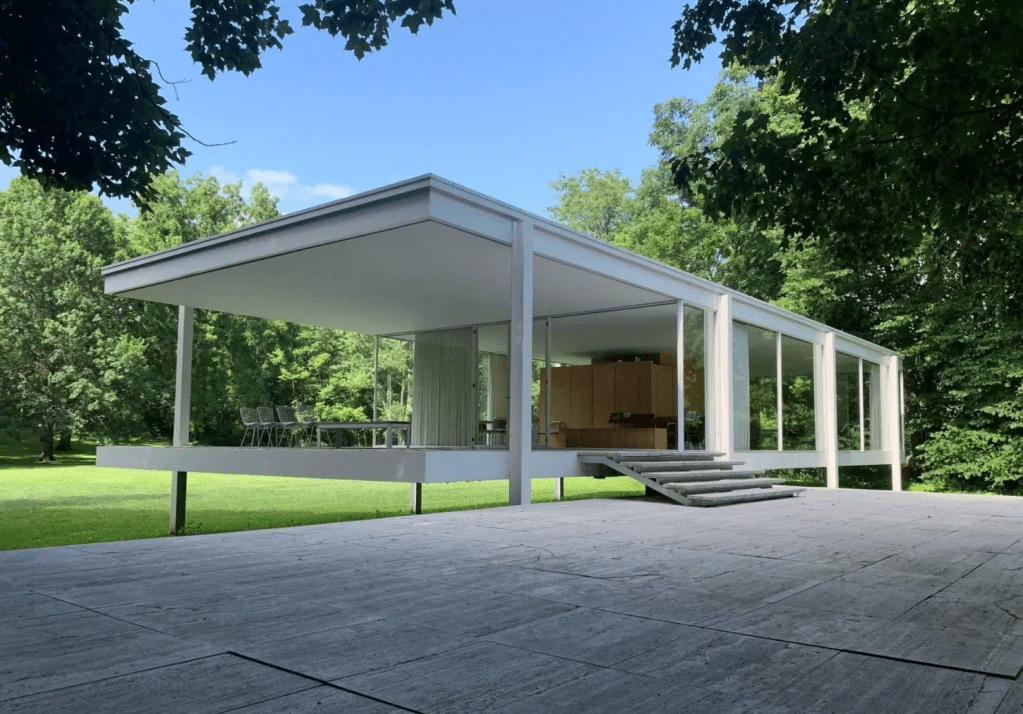
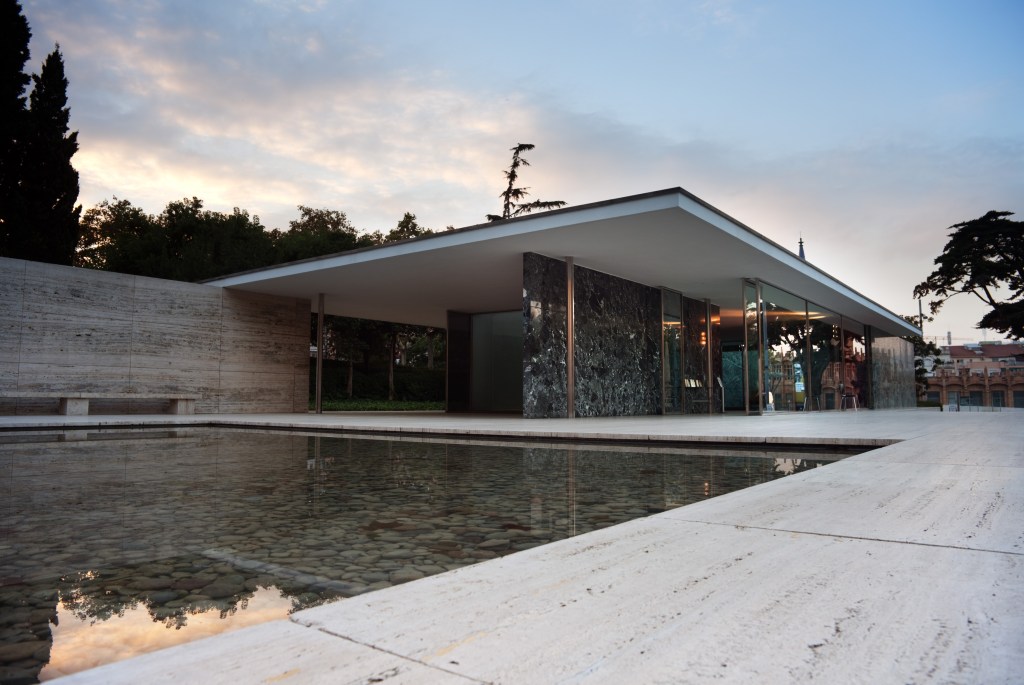
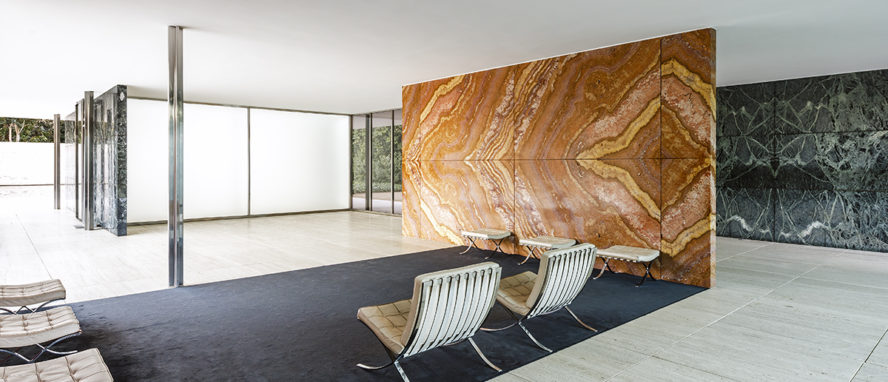
Ludwig Mies van der Rohe
A key figure in Modernist and Minimalist architecture, Mies van der Rohe championed the idea of “less is more,” designing buildings that emphasized open space, structural clarity, and minimal detailing.
John Pawson
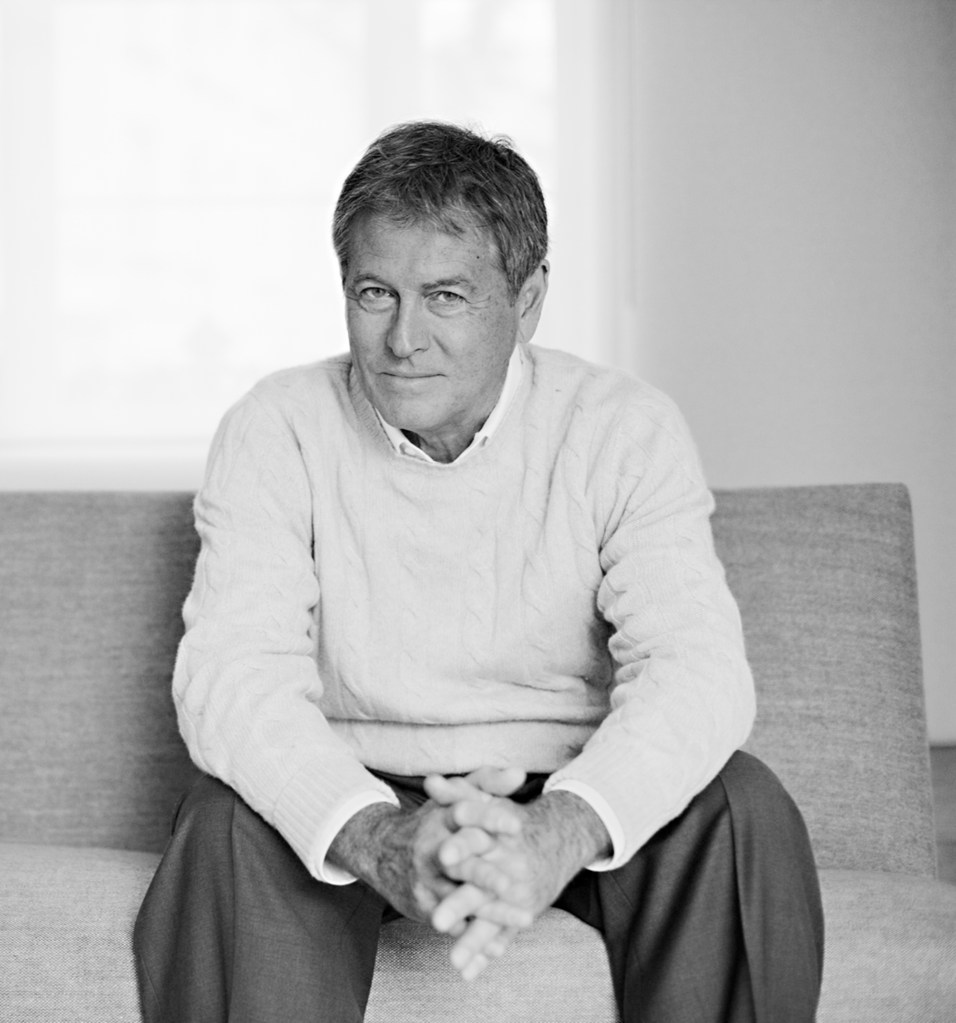
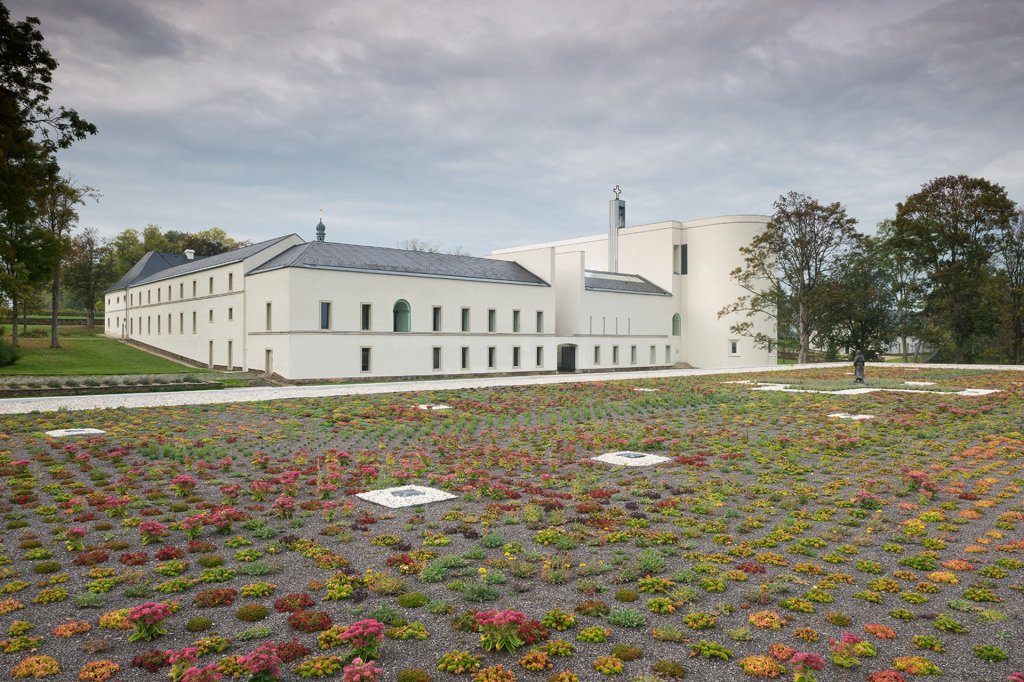
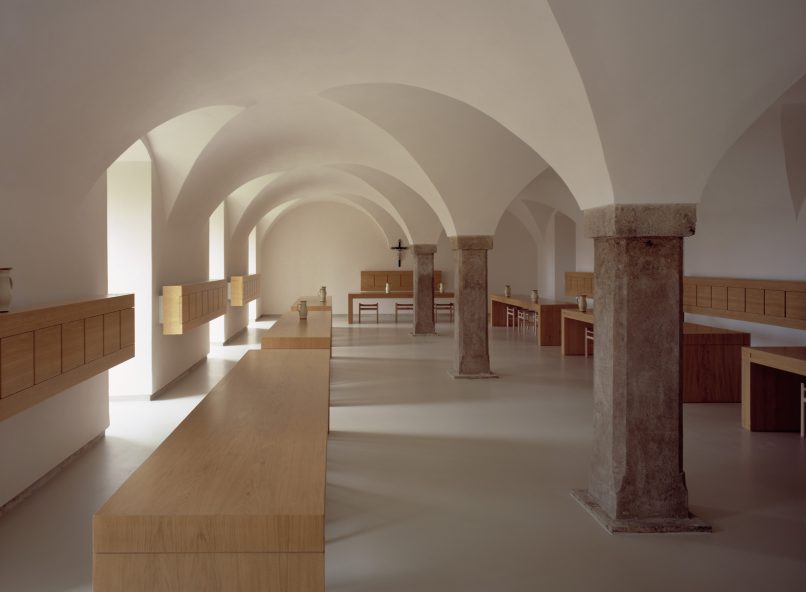
Known as the father of contemporary Minimalism, John Pawson focuses on warm, inviting minimalism that balances stark simplicity with natural materials and soft lighting.

Alberto Campo Baeza
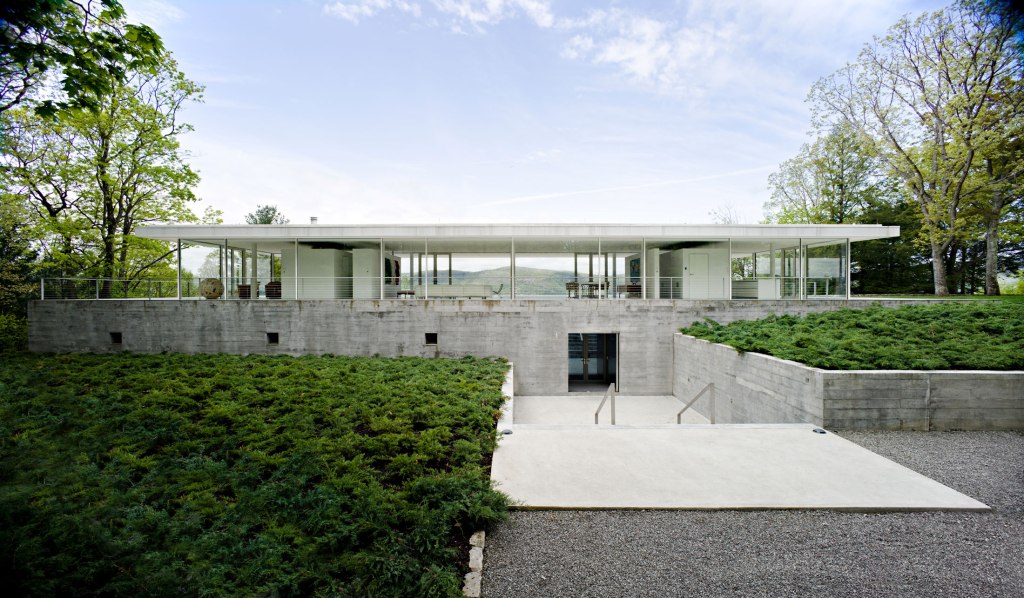
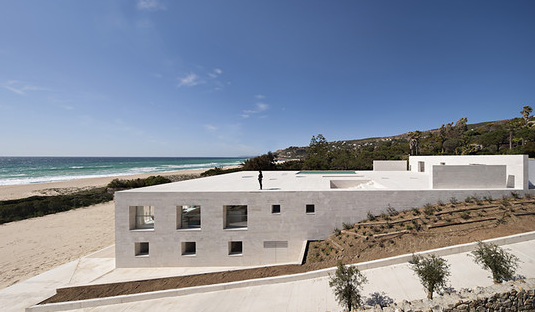
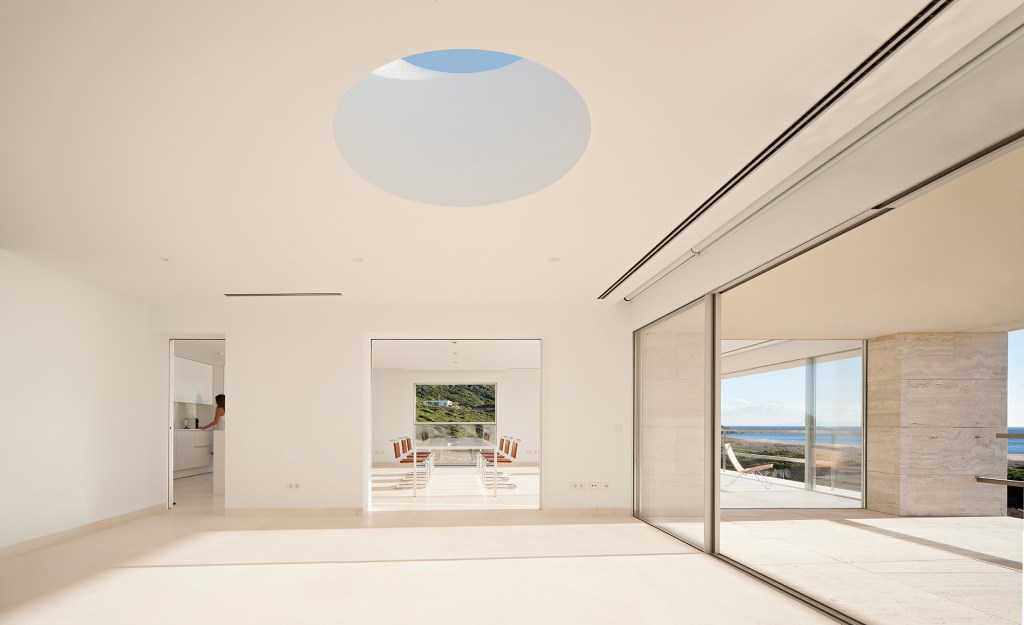
A Spanish architect renowned for his light-filled, geometric structures, Campo Baeza’s work focuses on pure forms, precise proportions, and a poetic use of natural light. His minimalist designs emphasize structural clarity and material simplicity, creating serene, timeless spaces.

Final Thoughts
Western Minimalism continues to shape modern architecture, inspiring a new generation of designers to embrace simplicity, functionality, and material honesty. Whether through monolithic concrete structures or warm, airy spaces, this style remains one of the most powerful expressions of modern design, proving that less truly is more.
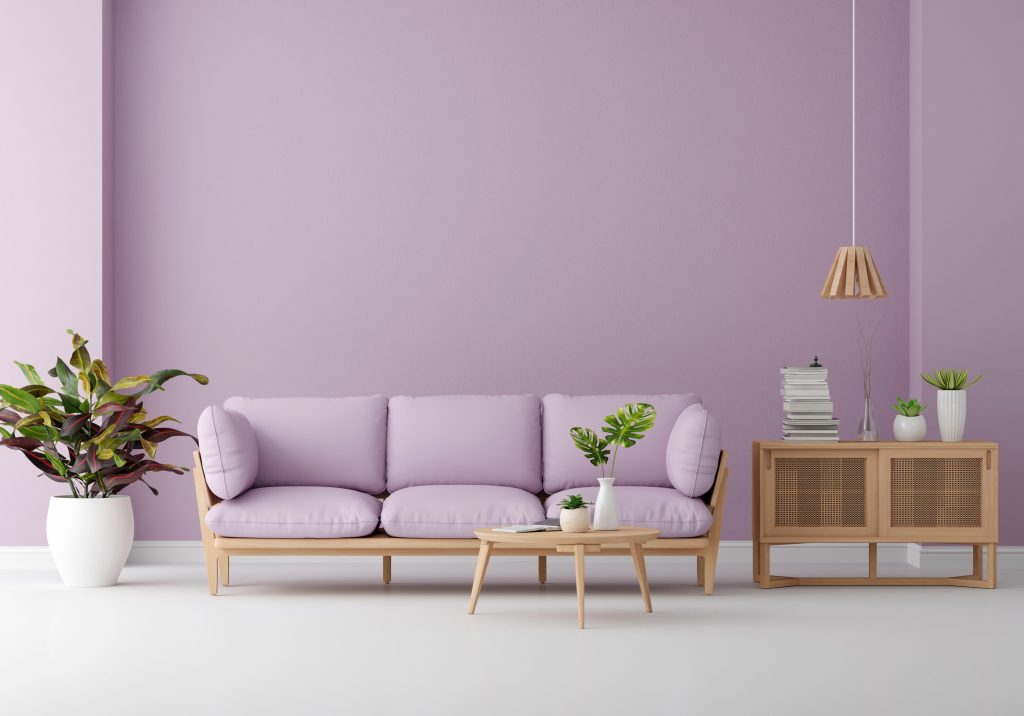
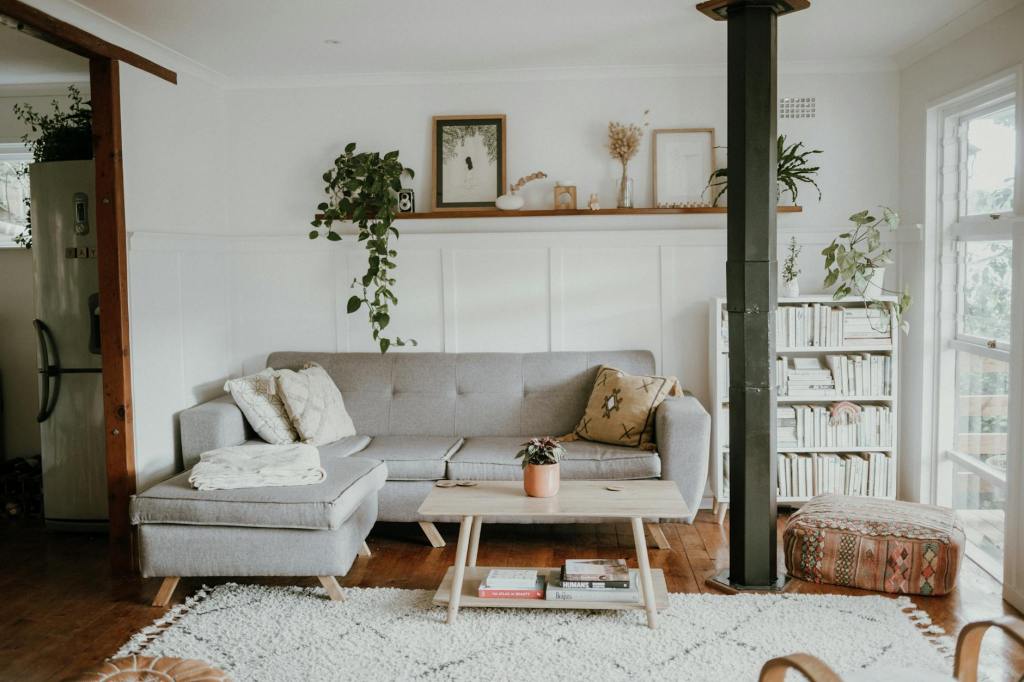
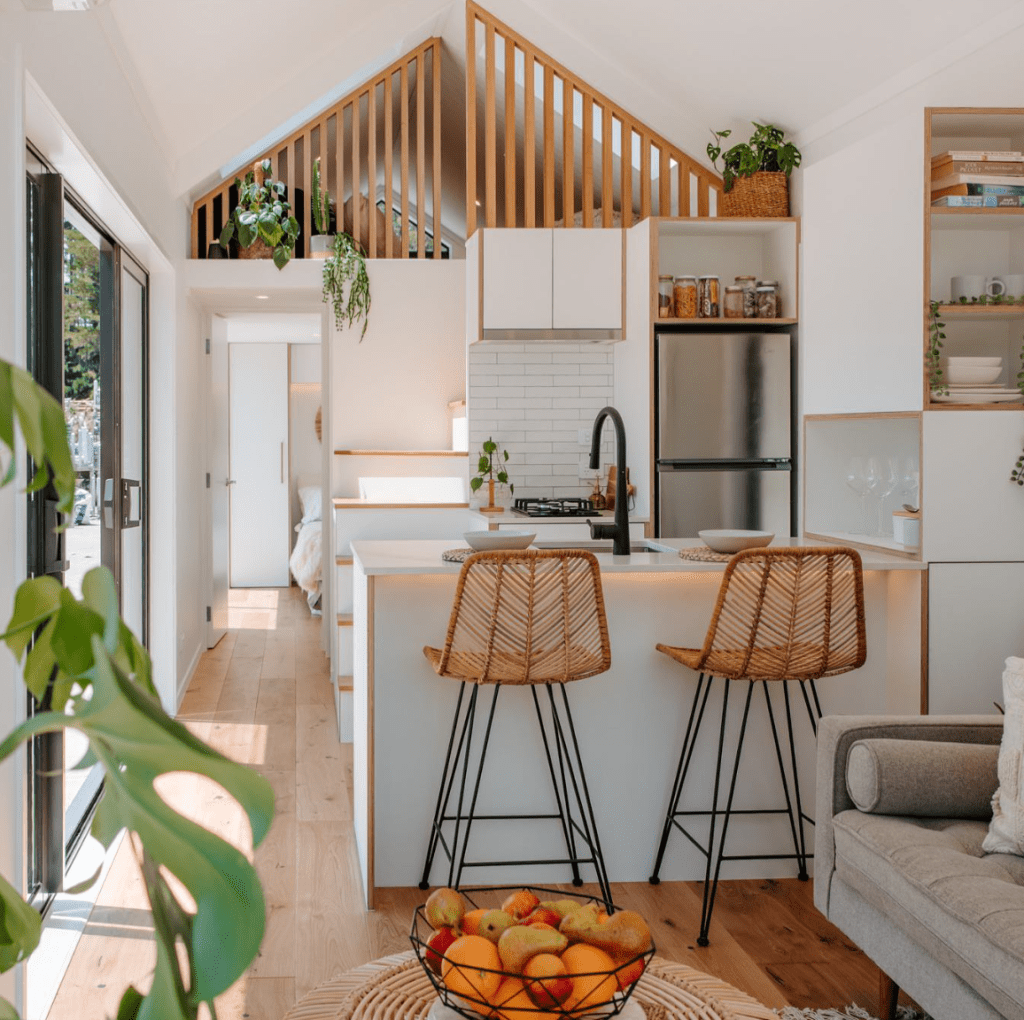
While the extreme simplicity of the Western Minimalism interior offers a striking and uncluttered aesthetic, I can definitely see how it can be seen as uninviting. To balance this, incorporating elements of Scandinavian design—such as warm wood tones, soft textiles, and nature inspired decor can elevate the space without compromising on minimalism. It can make the space feel more refined and much more comfortable for everyday living. The resi;t is a space that retains its sleek elegance while fostering a sense of warmth and well being.
Check out my article about Scandinavian architecture.

 RenoDIY