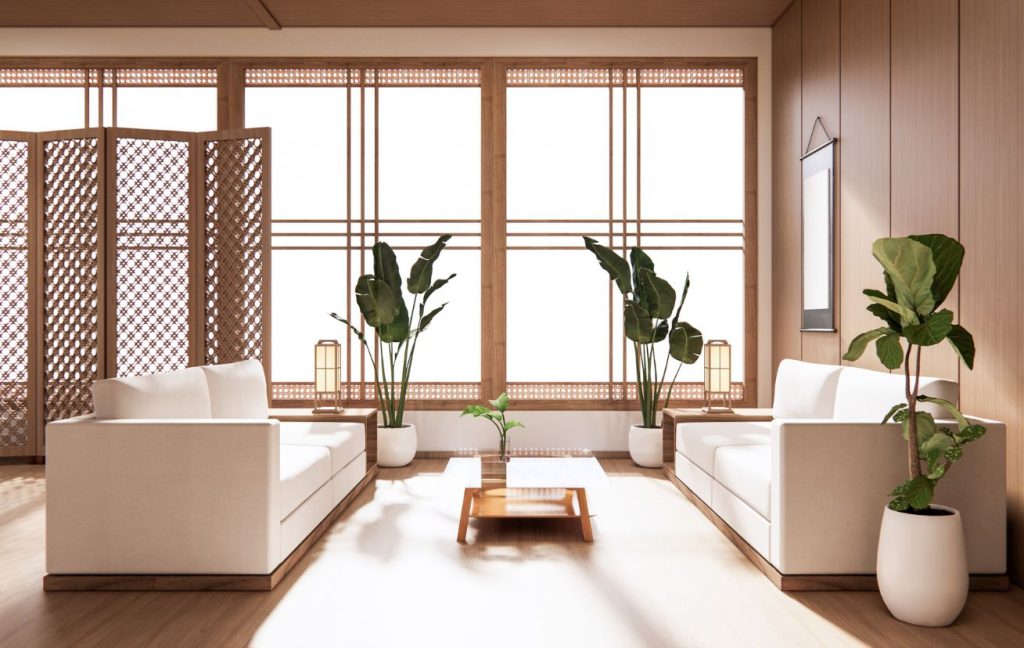
Japanese Minimalism is a philosophy that goes beyond aesthetics—it’s a way of living that embraces simplicity, tranquility, and balance. Rooted in Zen Buddhism and traditional Japanese culture, this architectural style prioritizes natural materials, open spaces, and a deep connection to nature.
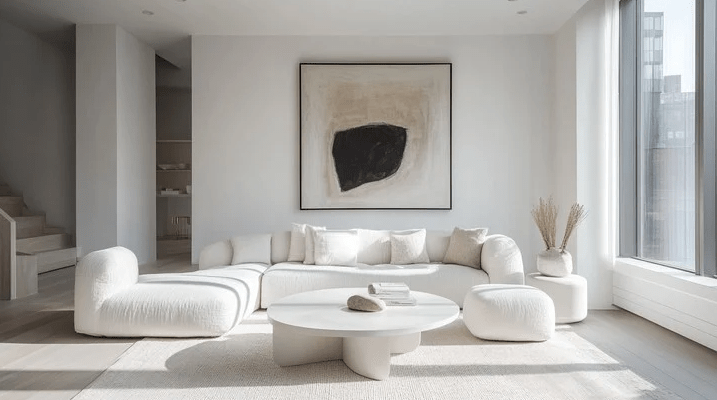
Unlike Western minimalism, which often focuses on stark emptiness, Japanese Minimalism is about creating serene, intentional spaces that promote mindfulness and a sense of calm. Every element in a Japanese home has a purpose, and unnecessary clutter is removed to highlight the beauty of negative space.
Check out my article about Western minimalism.
Defining the style
Wabi-Sabi: The Beauty of Imperfection
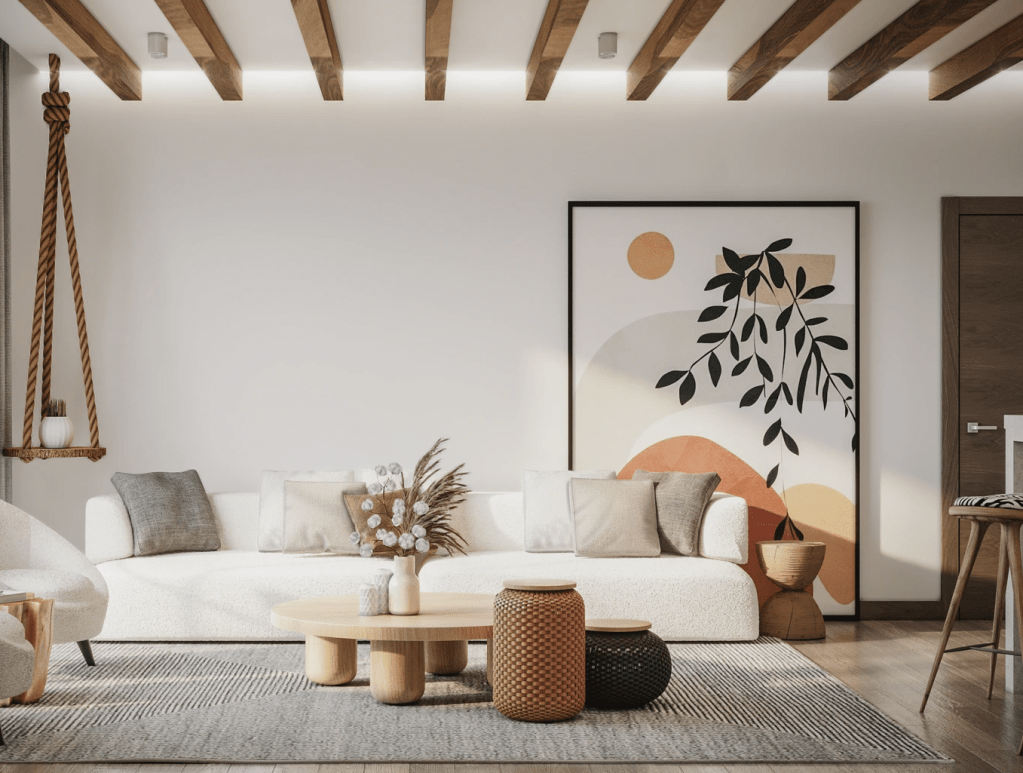
At the heart of Japanese Minimalism is the philosophy of wabi-sabi, which finds beauty in natural imperfections, aging materials, and simplicity. Unlike modern minimalism’s crisp and perfect surfaces, Japanese design embraces weathered textures, asymmetry, and organic shapes.
Natural Materials & Earthy Tones
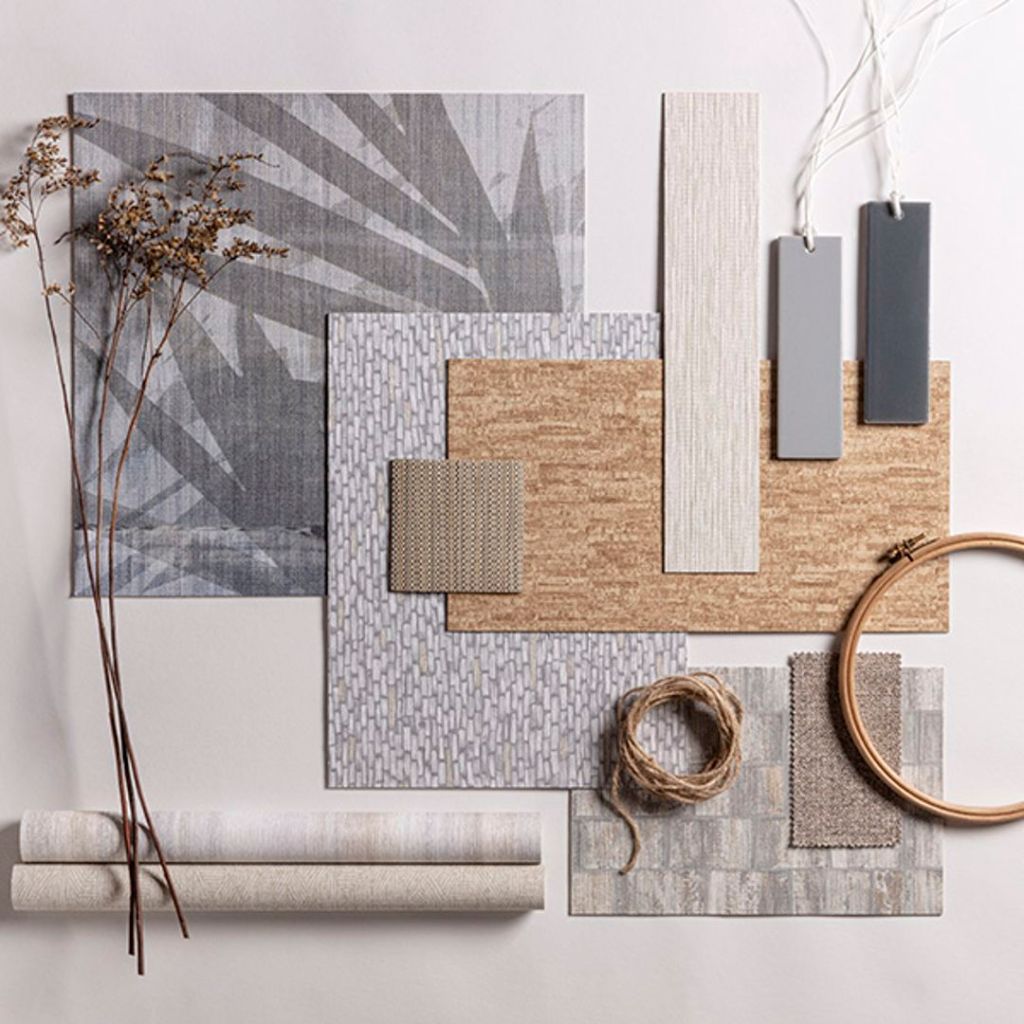
Traditional Japanese homes are built with materials that connect the indoors to the natural world. Wood, paper, stone, and bamboo are commonly used to create a warm, organic atmosphere. These materials are left unfinished or lightly treated, allowing their natural textures to shine.
Open, Flowing Spaces, 間
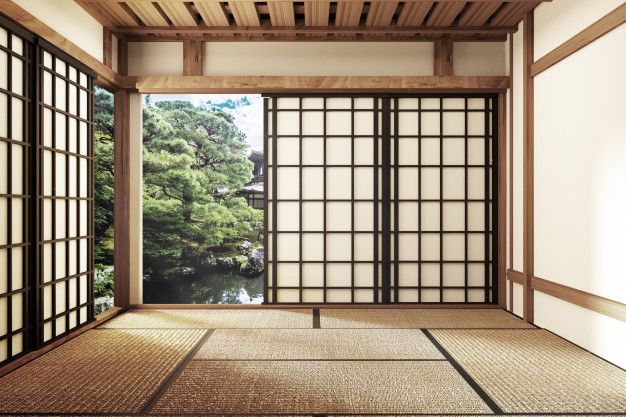
Japanese architecture emphasizes “Ma” (間)—the concept of negative space, where emptiness is as important as the objects in a room. This creates a sense of openness, clarity, and balance. Sliding doors (fusuma or shoji) replace walls, allowing for flexible layouts that adjust to different needs.
Seamless Indoor-Outdoor Connection
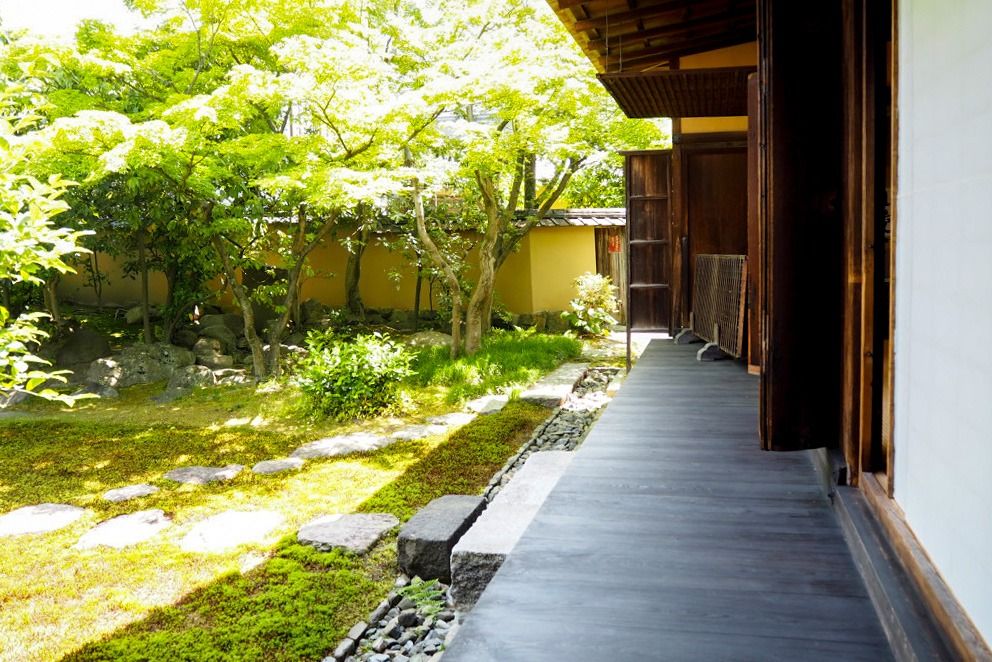
Traditional Japanese homes often have an engawa—a covered veranda that blurs the boundary between the interior and exterior. Zen gardens, small courtyards, and large windows framing nature reinforce this connection to the outdoors.
Soft, Diffused Lighting
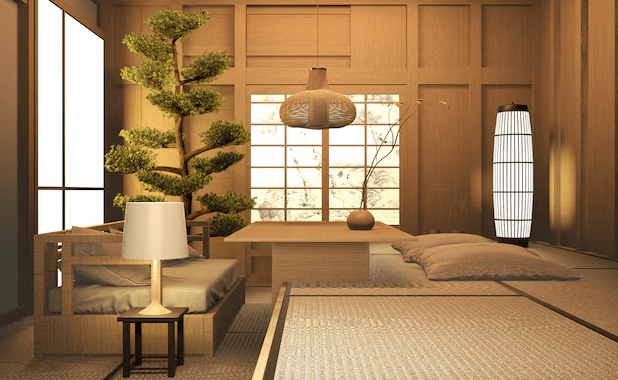
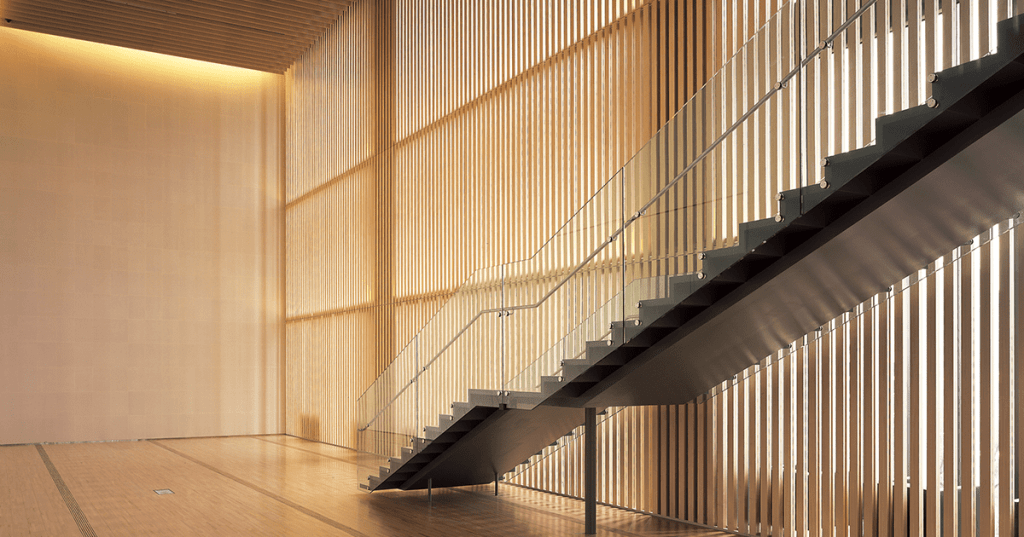
Instead of harsh overhead lighting, Japanese homes use natural light and ambient lighting to create a soft, inviting glow. Paper lanterns, wooden slats, and indirect lighting enhance the sense of tranquility.
Pioneering Architects of Japanese Minimalism
Several influential figures pioneered and popularized the Japanese Minimalism architecture, shaped by visionary architects who blend tradition with modernity, emphasizing simplicity, natural materials, and spatial harmony.
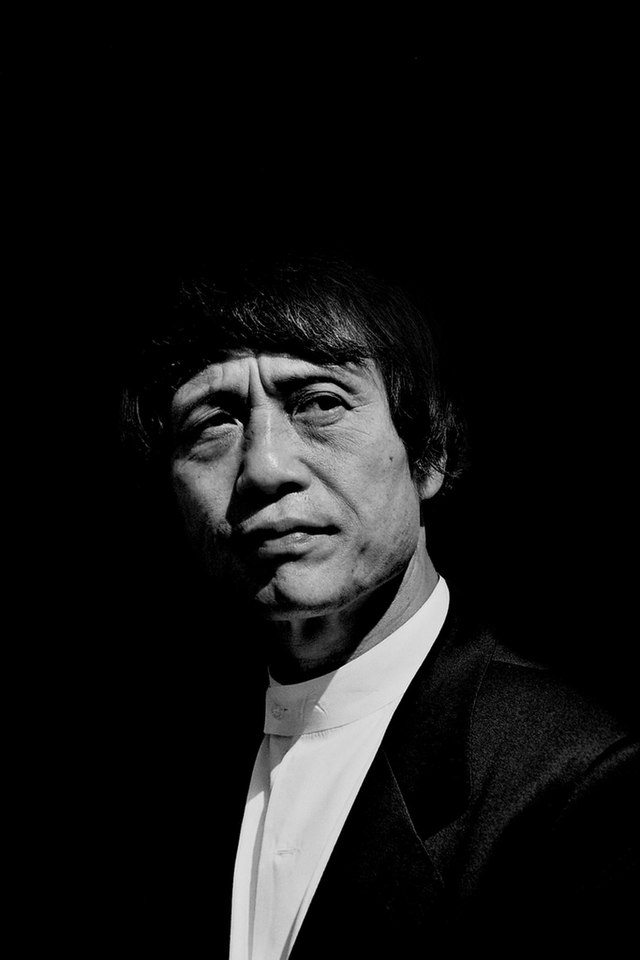
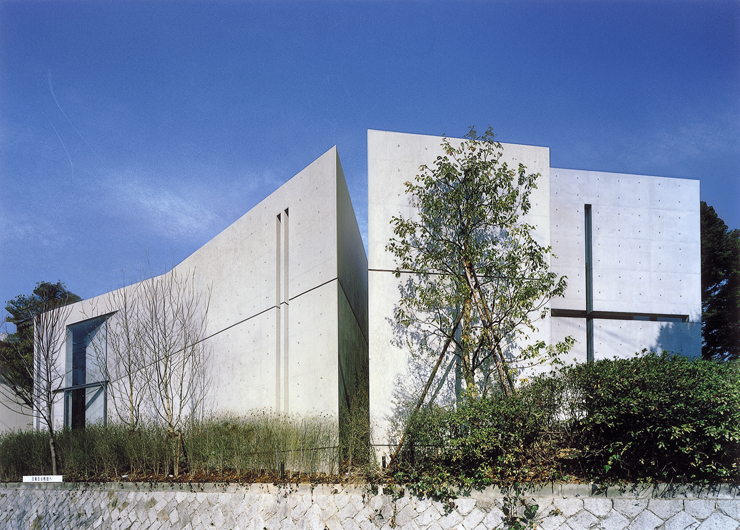
Tadao Ando
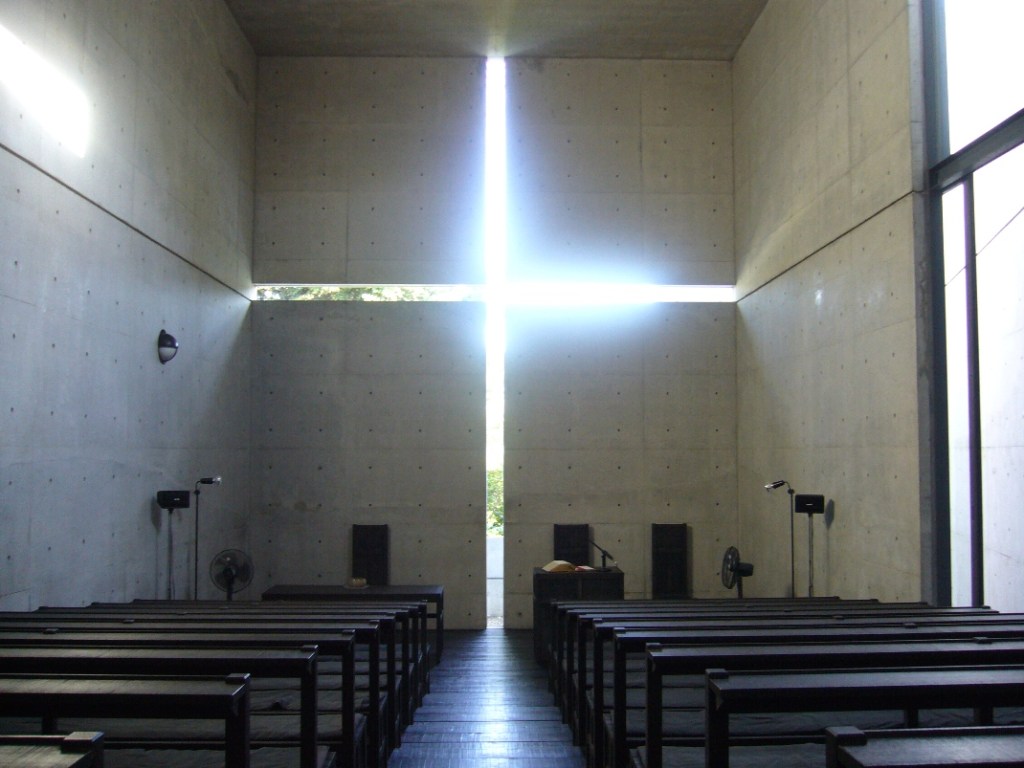
A master of concrete minimalism, Ando’s work is defined by simple geometric forms, natural light, and an interplay between solid and void spaces. His architecture often evokes a deep sense of calm and reflection.
Kengo Kuma
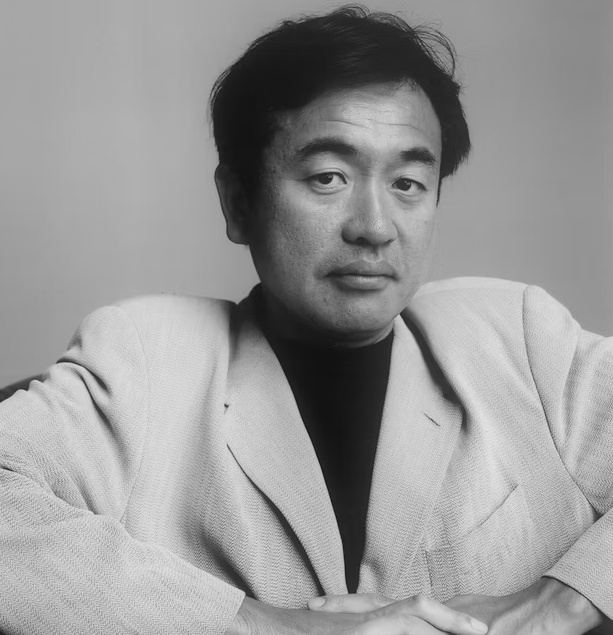
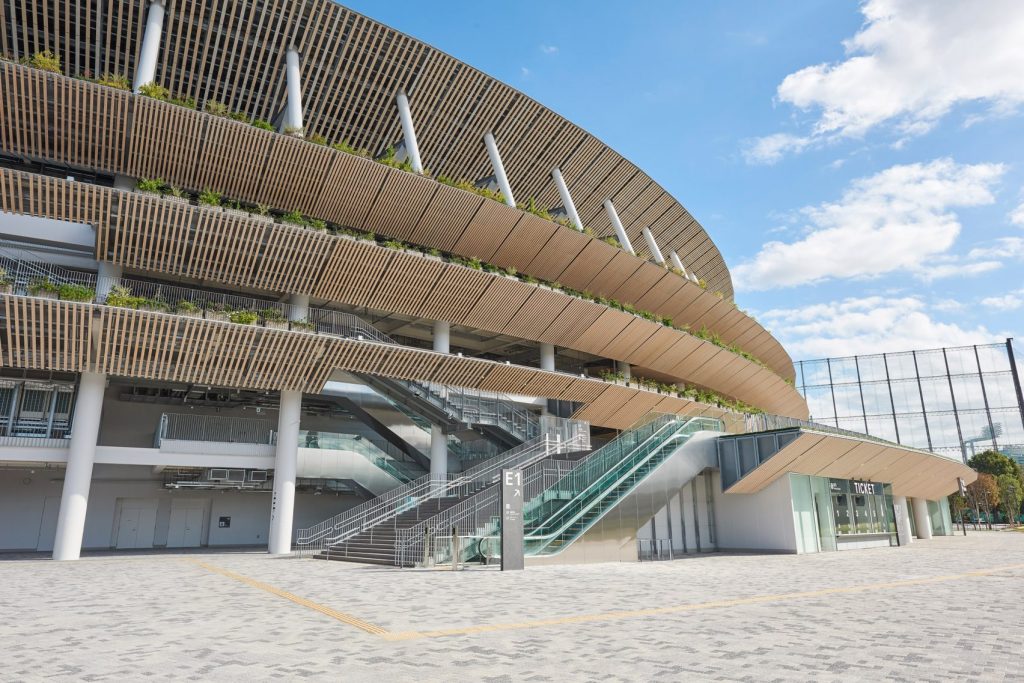
Kuma is known for blending traditional Japanese materials with modern technology. His work often features lightweight wooden structures that harmonize with the natural environment.
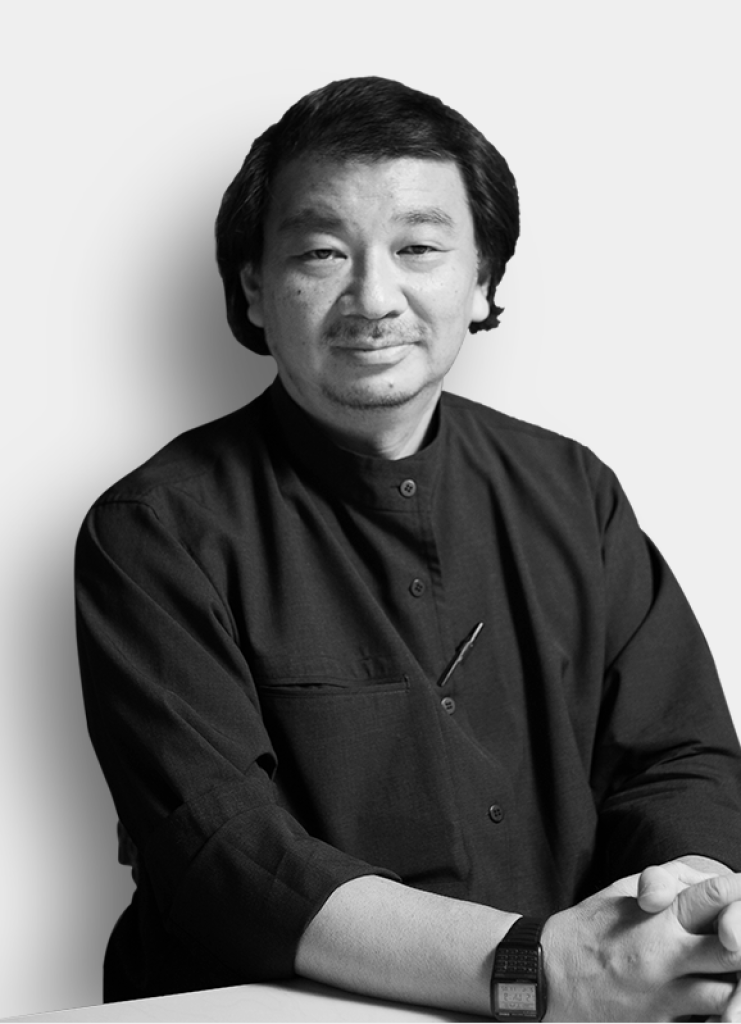
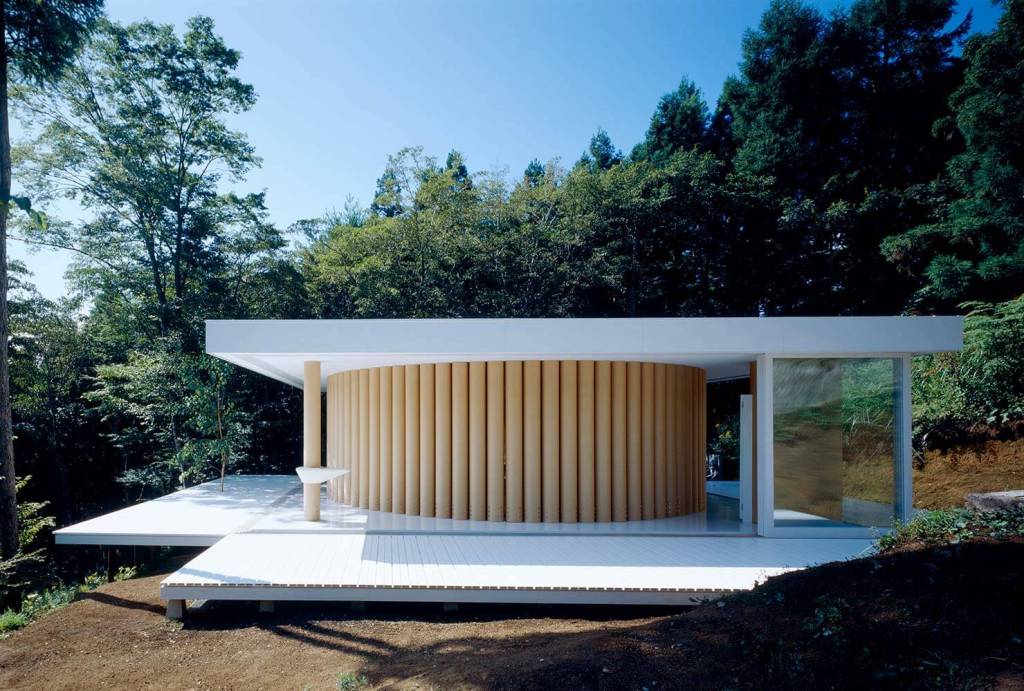
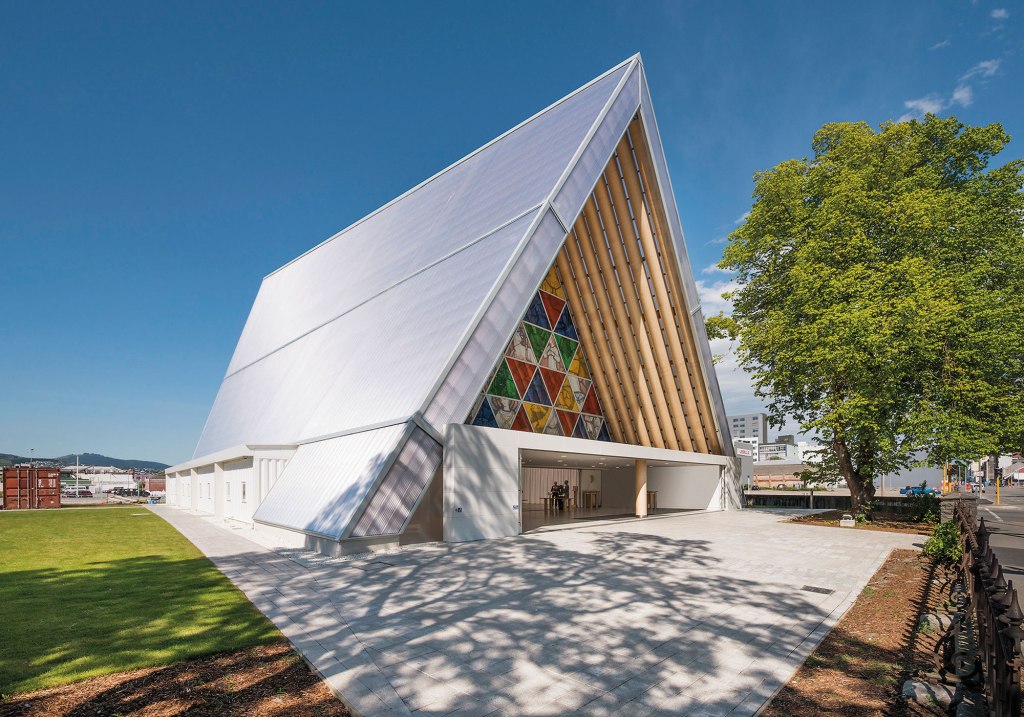
Shigeru Ban
Renowned for his use of sustainable materials like paper tubes and recycled wood, Ban’s minimalist approach focuses on humanitarian architecture and disaster relief housing.
Final Thoughts
Japanese Minimalism is more than an architectural style—it’s a philosophy of intentional living. By embracing simplicity, natural beauty, and thoughtful design, this approach creates homes that nurture peace, clarity, and harmony. Whether you’re drawn to its aesthetic elegance or its focus on mindful living, Japanese Minimalism continues to inspire architects and homeowners worldwide.

 RenoDIY
One response to “Japanese Minimalism: Harmony, Simplicity, and Nature”
[…] Check out my article about Japanese Minimalism. […]
LikeLike