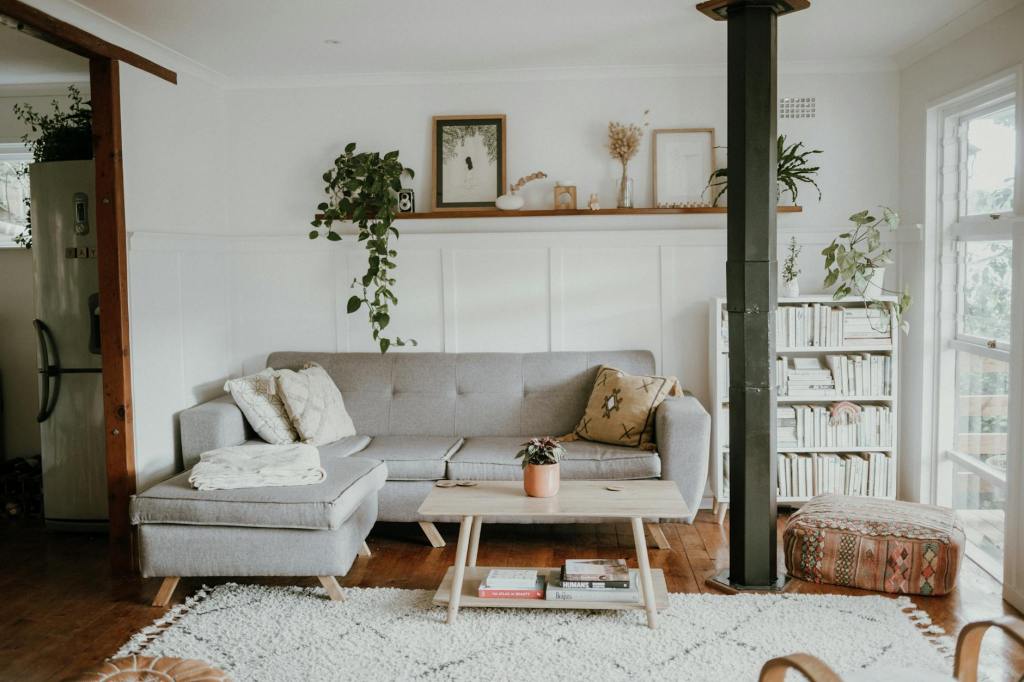
Scandinavian Modern architecture is a style rooted in simplicity, functionality, and a deep connection to nature. Emerging in the early 20th century and reaching global popularity in the 1950s, this movement was heavily influenced by the region’s harsh winters and long, dark months, leading to a design philosophy that prioritizes light, warmth, and practicality.
Characterized by clean lines, open spaces, and natural materials, Scandinavian Modern homes are designed to be uncluttered yet cozy, embodying the concept of “hygge” (a Danish and Norwegian term for comfort and well-being). The style is both aesthetically minimal and highly functional, with an emphasis on sustainability, craftsmanship, and timeless design. This article will take a look at the characteristics and defining elements of the style and some of the notable figures in this space.
Defining the style
Simplicity & Minimalism
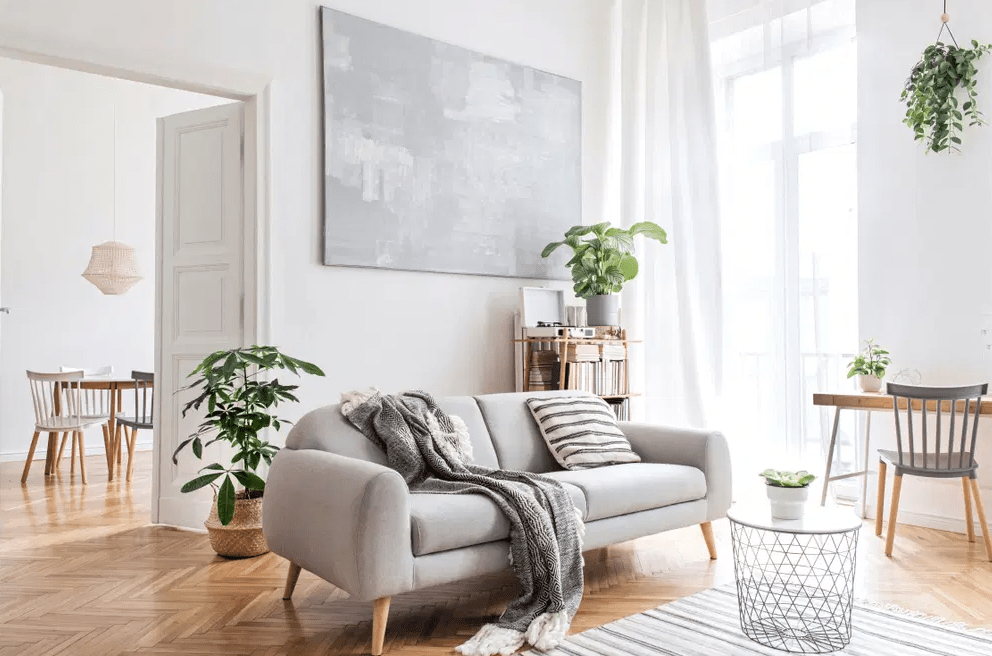
Scandinavian Modern design follows the “less is more” principle, eliminating excess ornamentation. Spaces are designed to be clean, uncluttered, and highly functional, with an emphasis on purposeful design rather than decorative elements.
Light-Filled Interiors
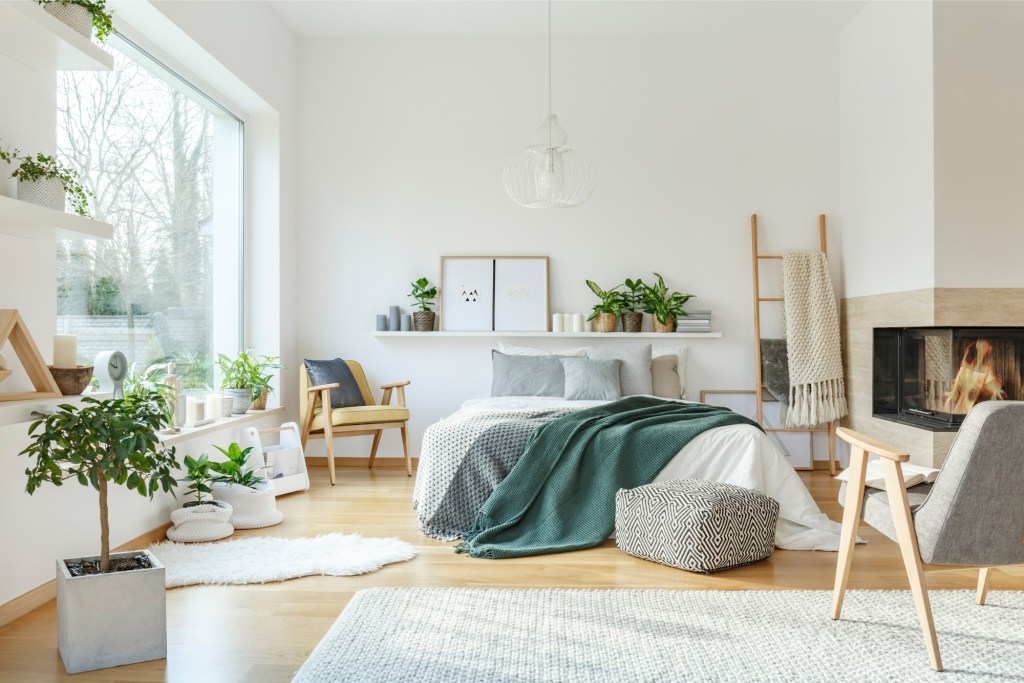
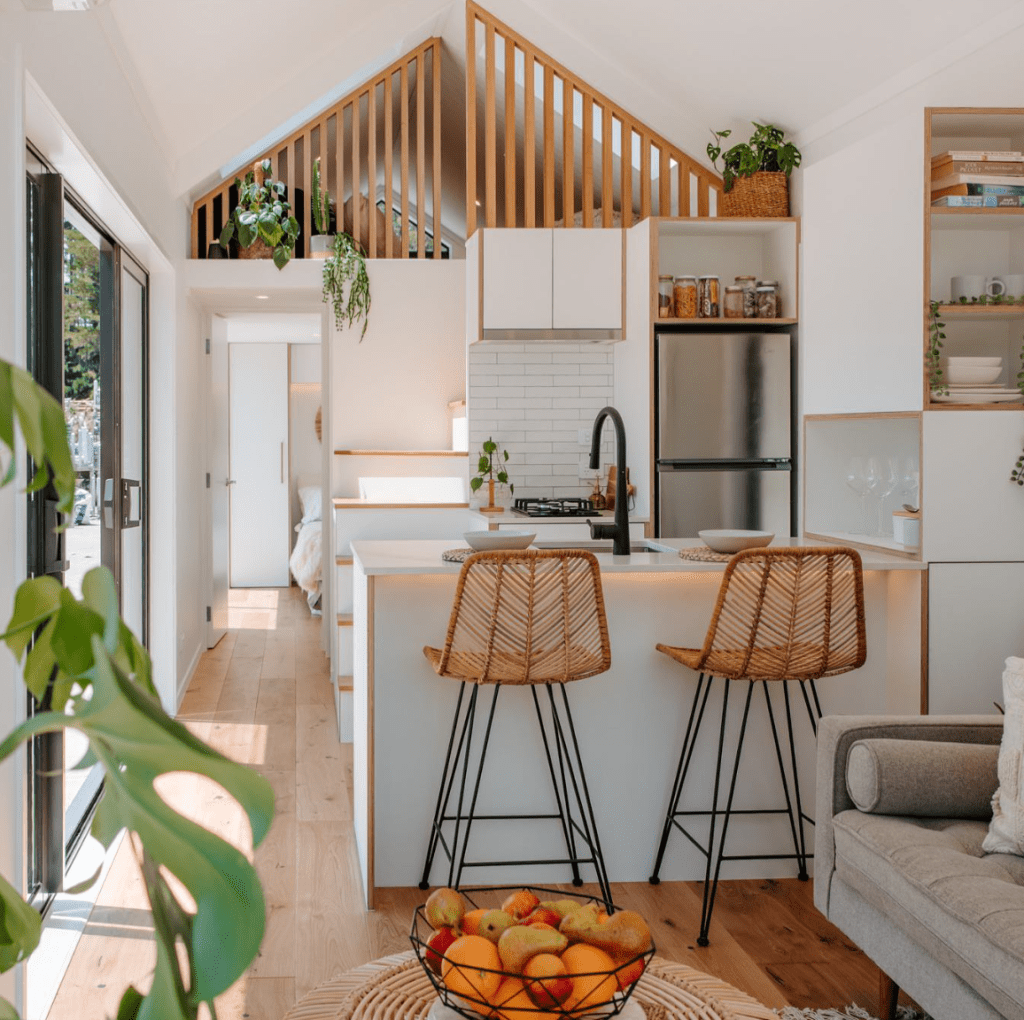
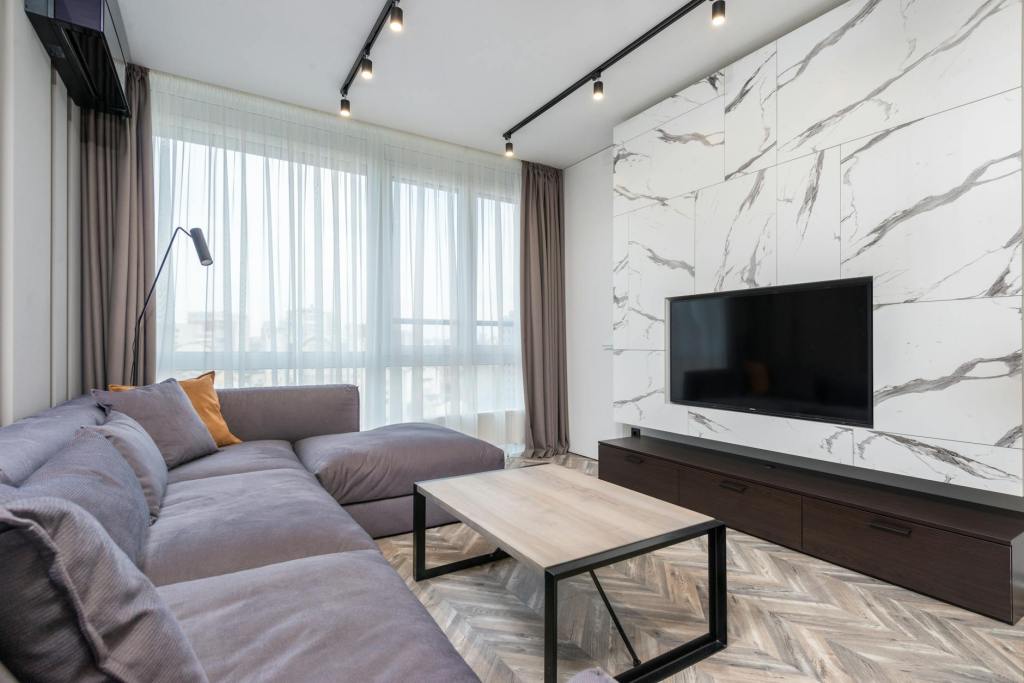
Because Scandinavian countries experience long, dark winters, maximizing natural light is crucial. Homes feature large windows, often left without curtains, to bring in as much daylight as possible. White walls and light wood flooring help reflect light, making spaces feel bright and airy.
Natural Materials & Warm Textures
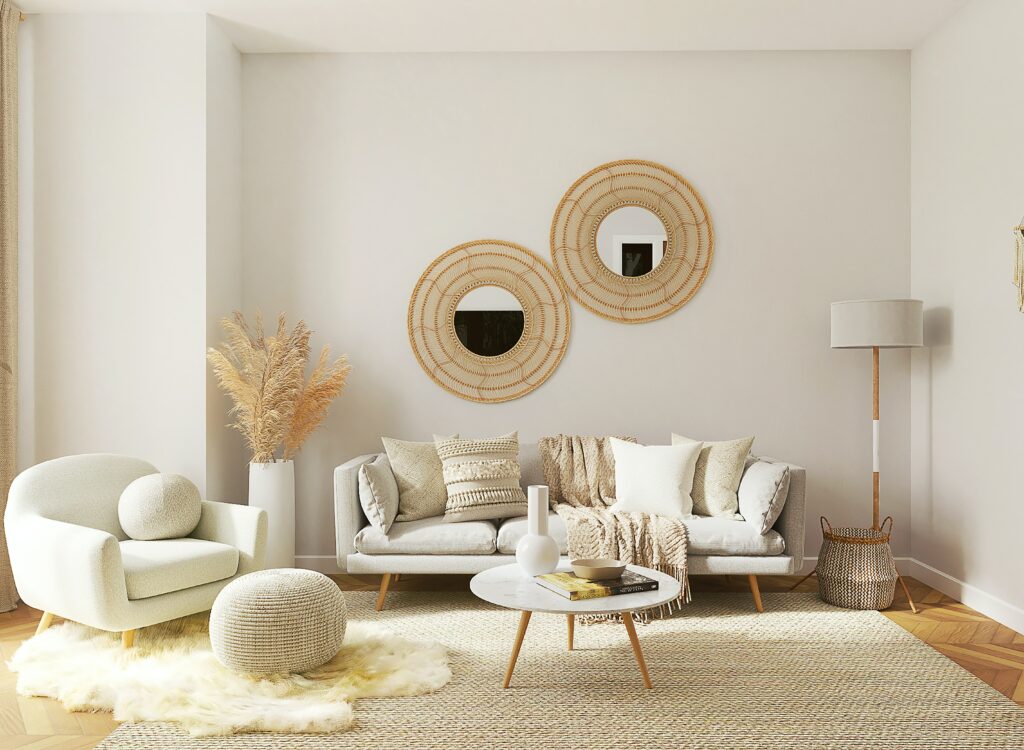
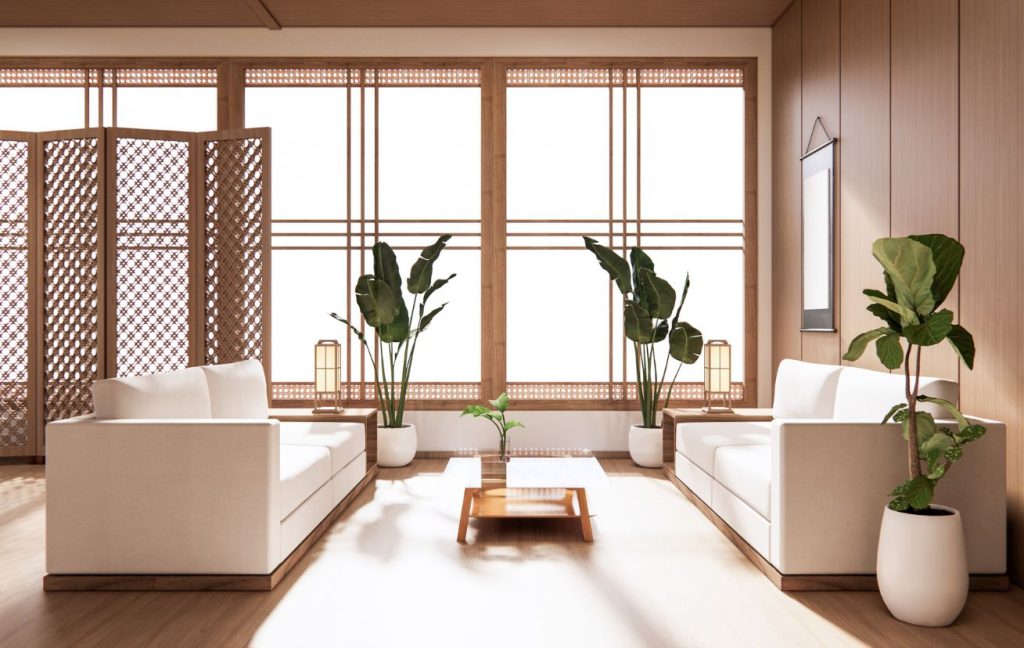
Scandinavian homes prioritize organic materials like wood, stone, leather, and wool to create warmth and texture. Light-colored woods such as pine, birch, and ash are commonly used for floors, furniture, and paneling. This connection to nature enhances the feeling of coziness and relaxation.
Functional & Timeless Furniture
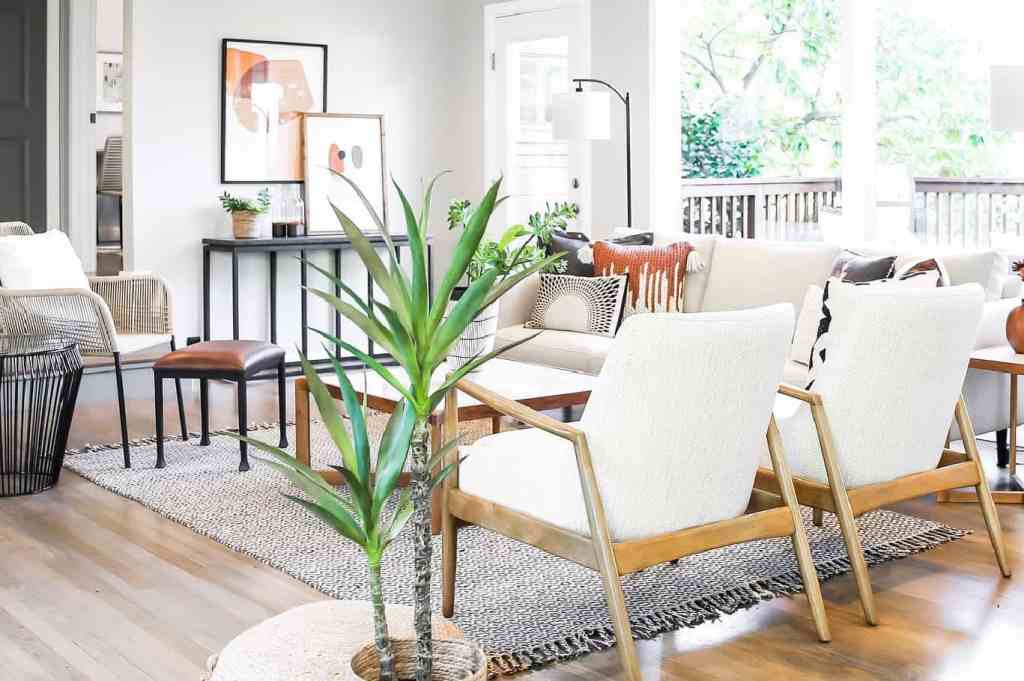
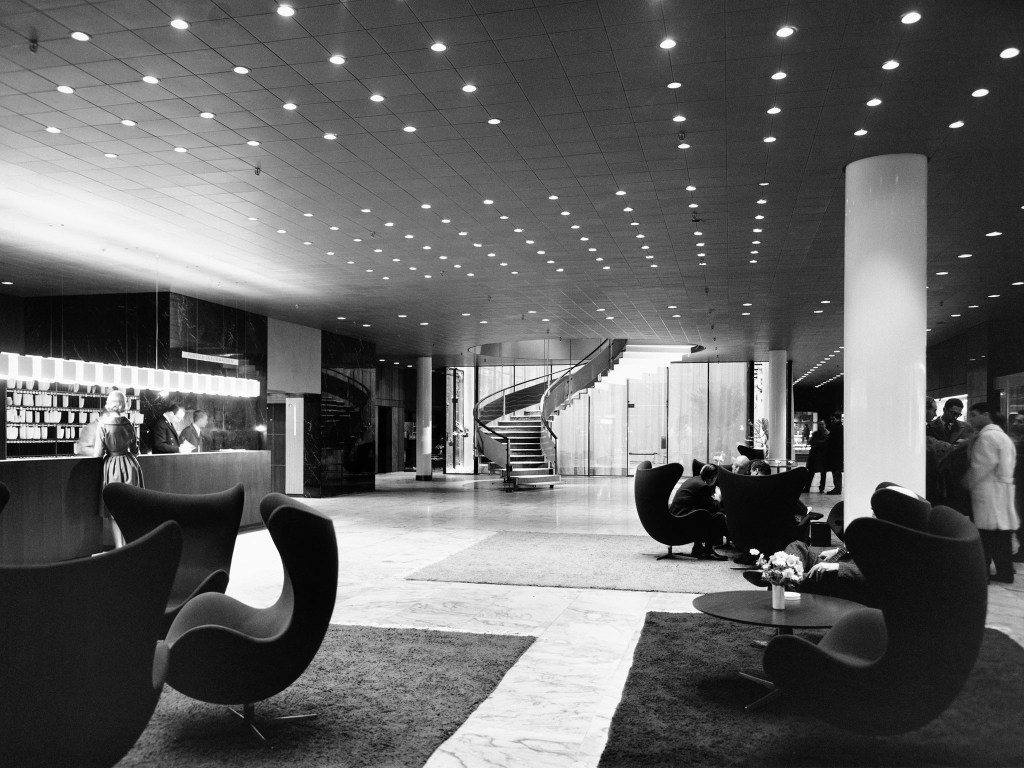
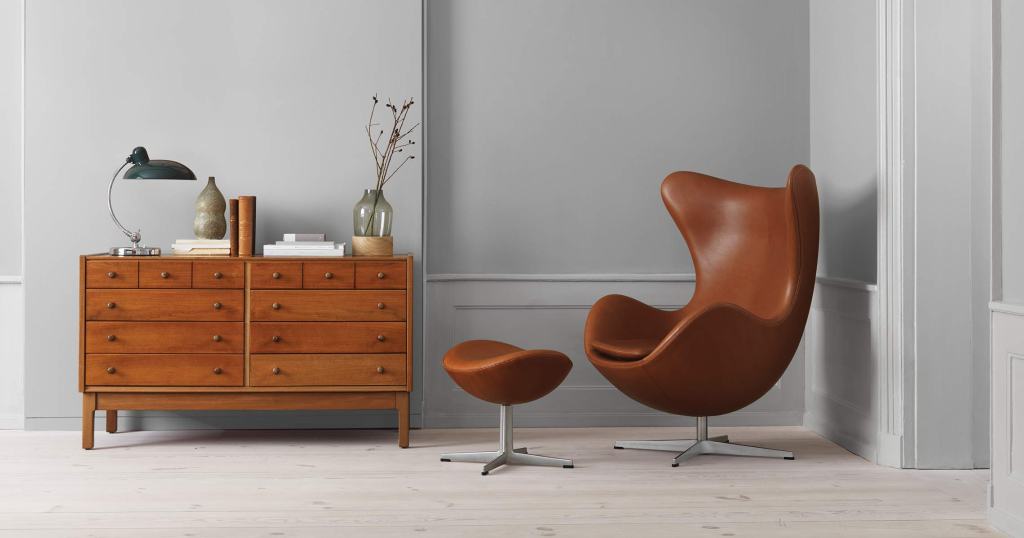
Scandinavian furniture is known for its sleek, ergonomic, and practical design. Pieces are often crafted with soft curves, tapered legs, and a blend of form and function, ensuring they remain timeless. Many of the world’s most famous furniture pieces, like the Wishbone Chair and Egg Chair, were born from this movement.
Muted & Earthy Color Palettes
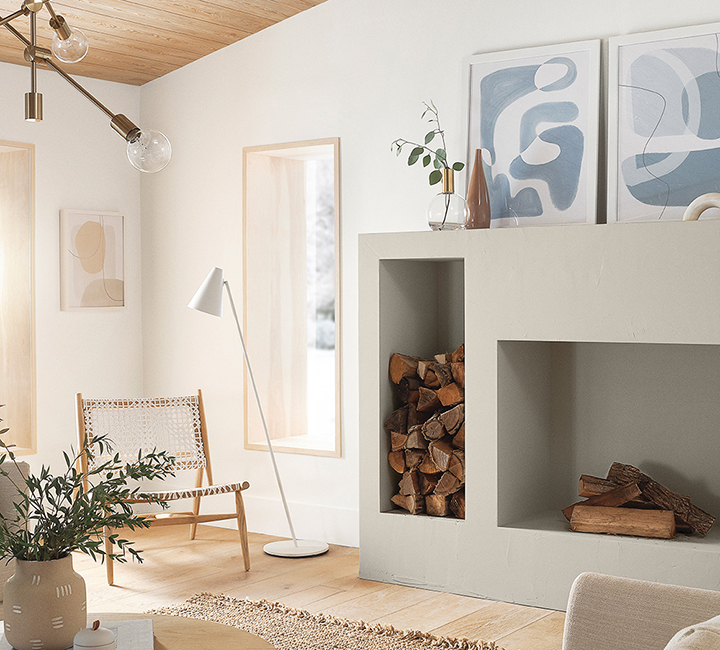
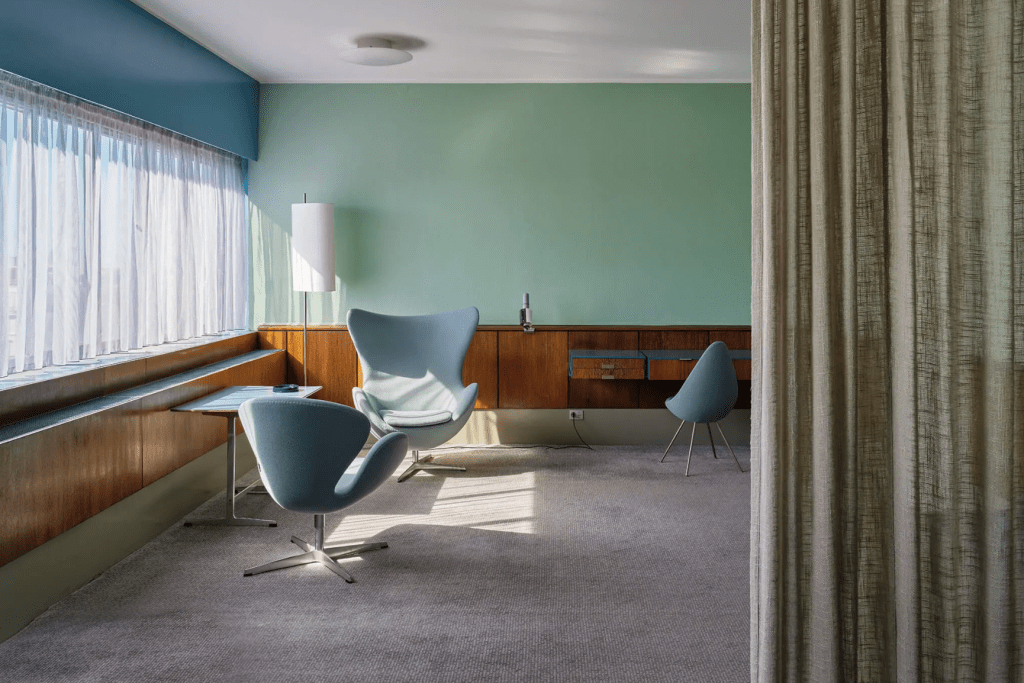
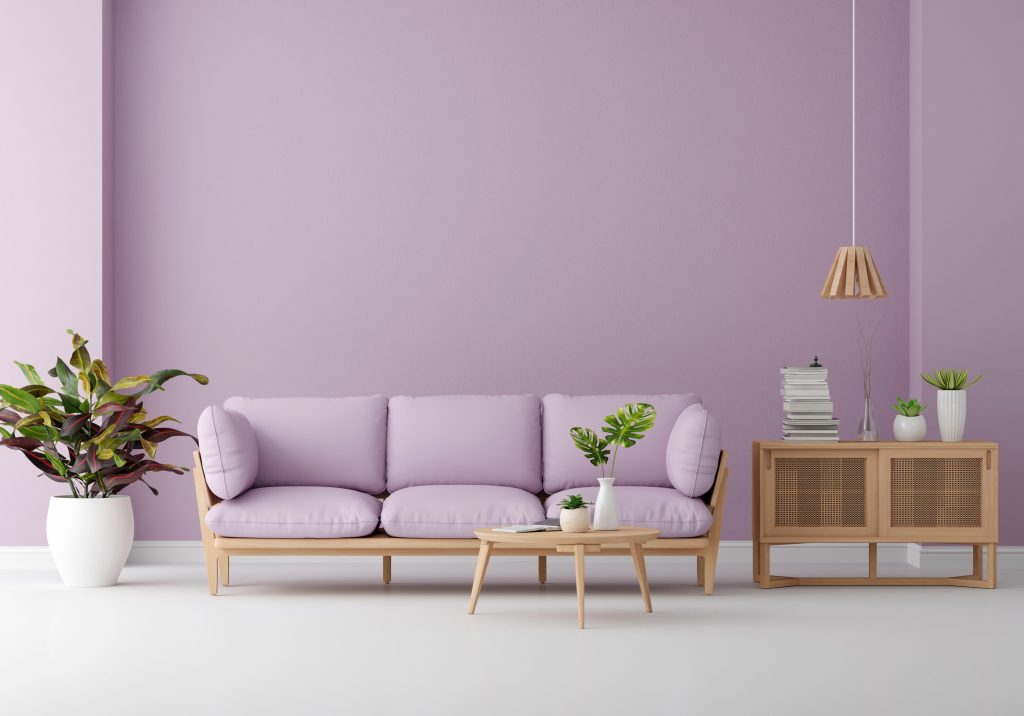
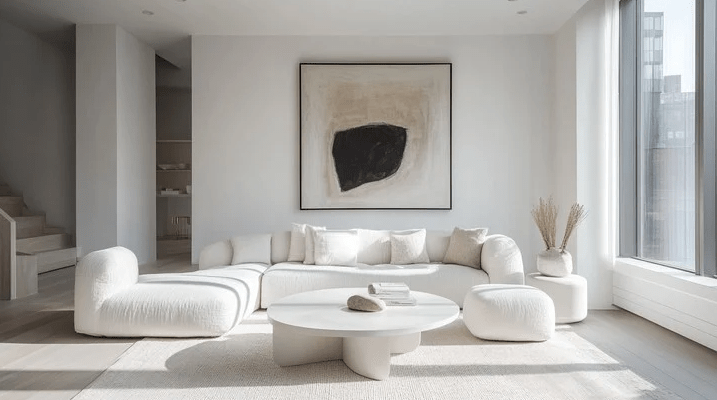
The Scandinavian color palette is calm and subdued, inspired by nature. Interiors feature soft whites, warm beiges, muted greys, and pastel blues to create a serene and harmonious environment. Occasional bold accents, like a mustard yellow cushion or a deep green chair, add personality while maintaining balance.
Pioneering Architects of Scandinavian Modernism
Several influential architects pioneered and popularized Scandinavian Moderism architecture, shaping the way we think about open, functional, and nature-integrated design.
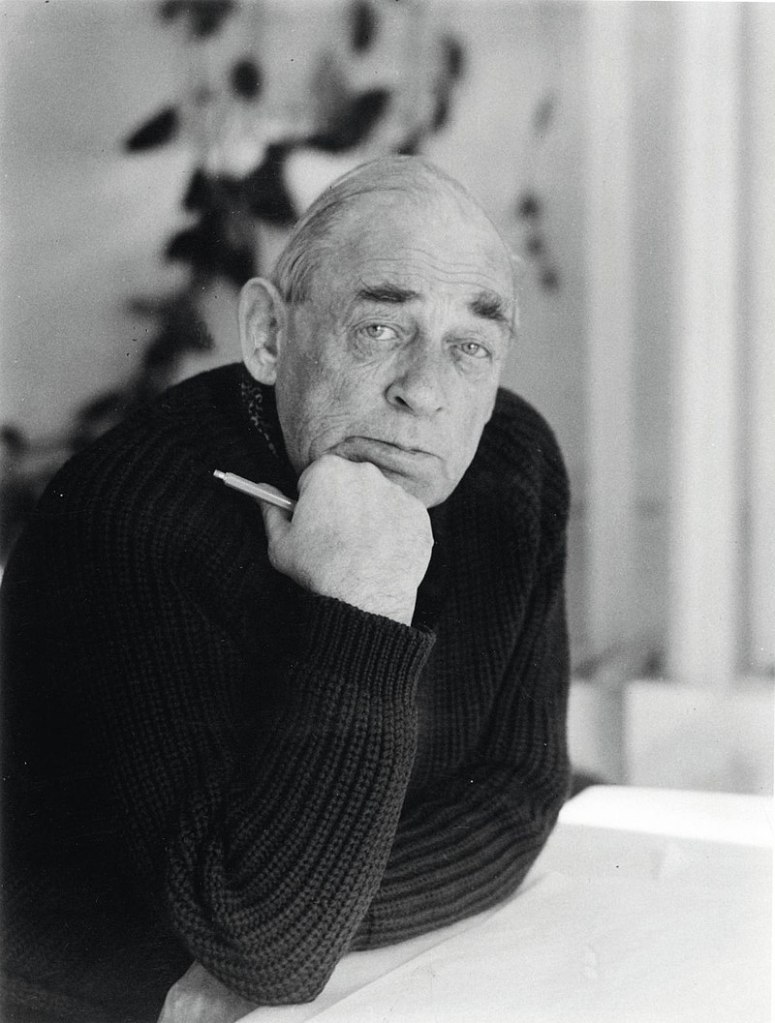
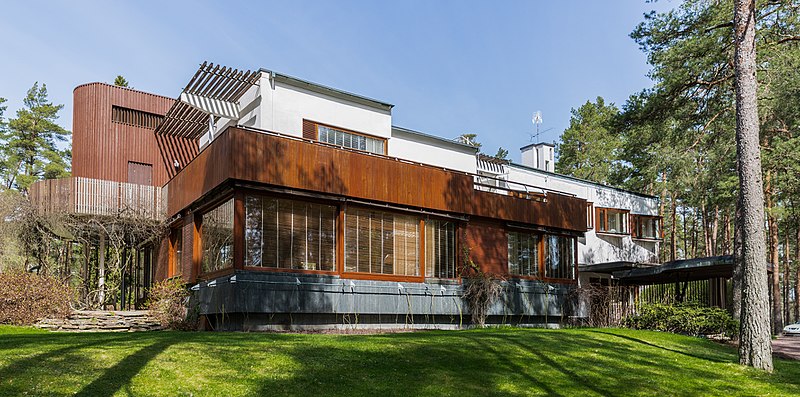
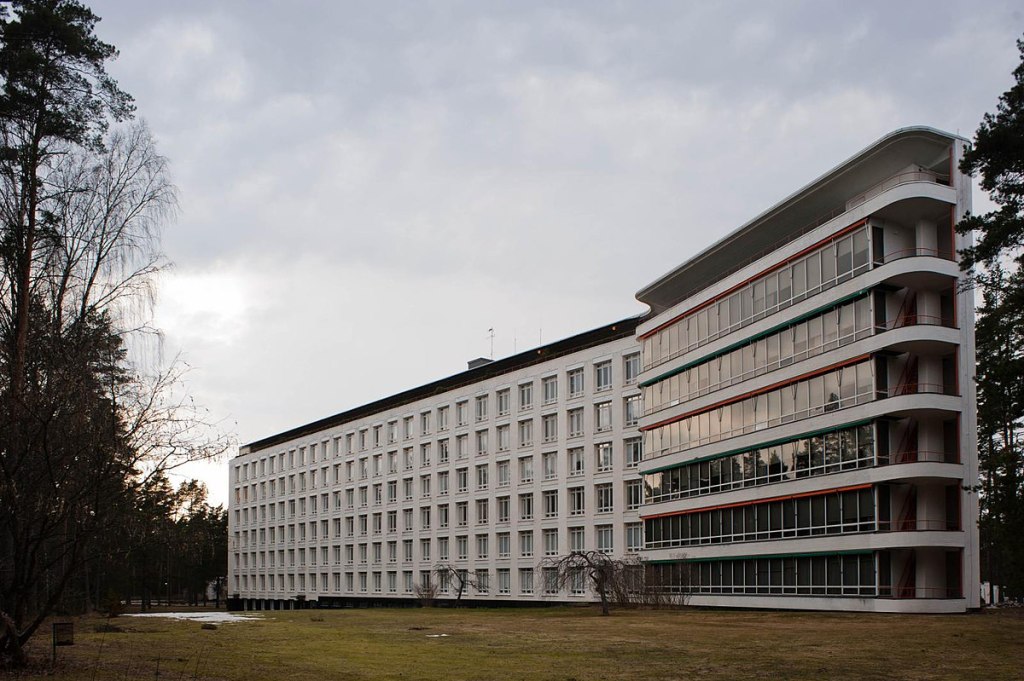
Alvar Aalto
Aalto was a master of organic architecture, combining modernist principles with warm, natural materials. His work blended form and function, creating spaces that were both visually stunning and practical.
Arne Jacobsen
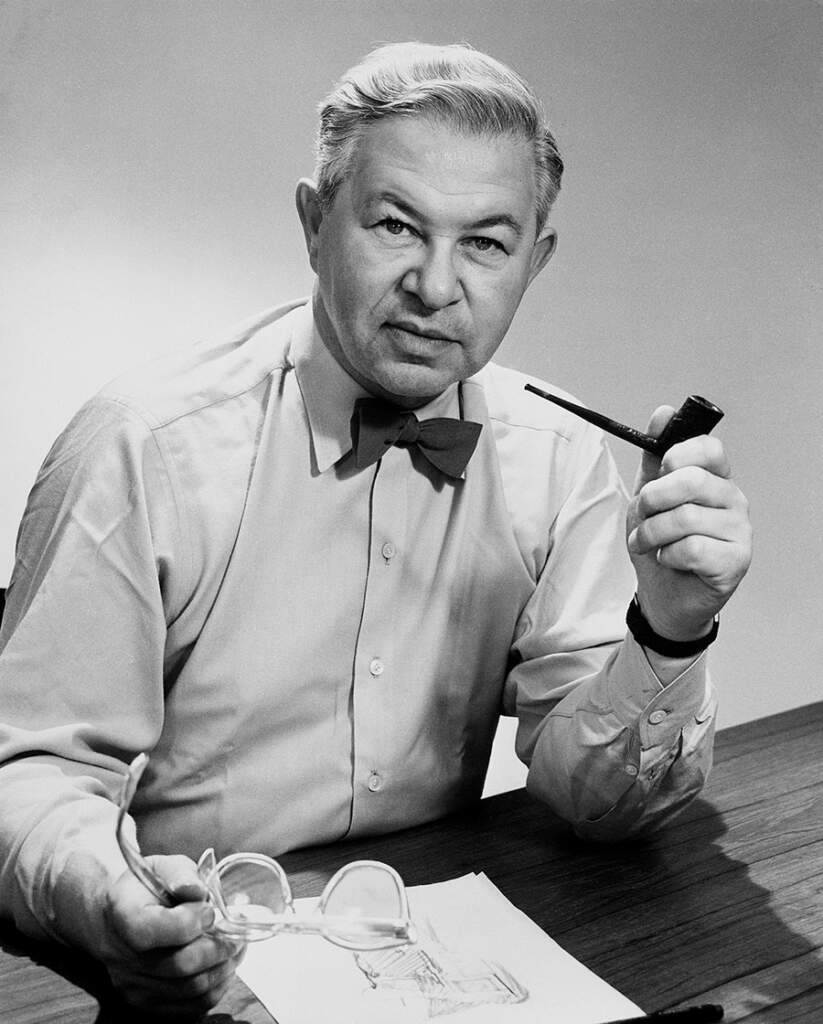
Jacobsen is best known for his furniture design and minimalist architecture. He introduced some of the most iconic pieces of Scandinavian modern furniture, including the Egg Chair and Swan Chair.
Sverre Fehn
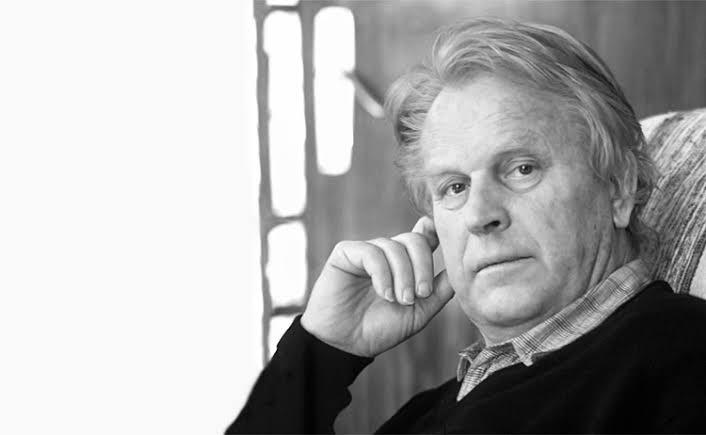
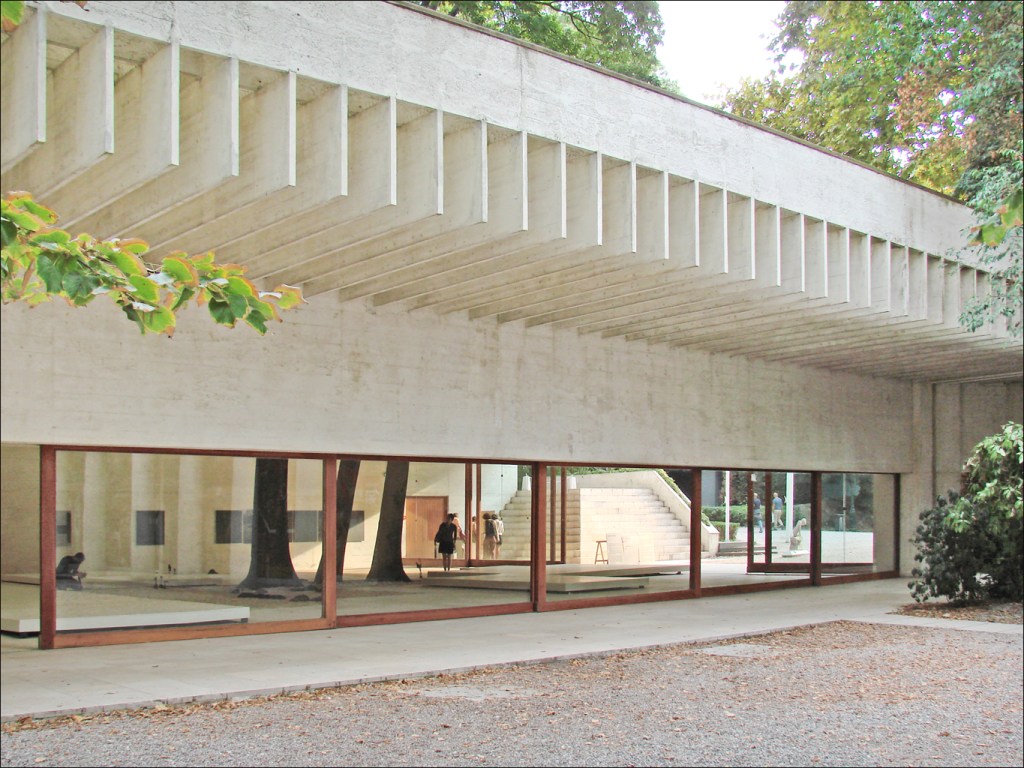
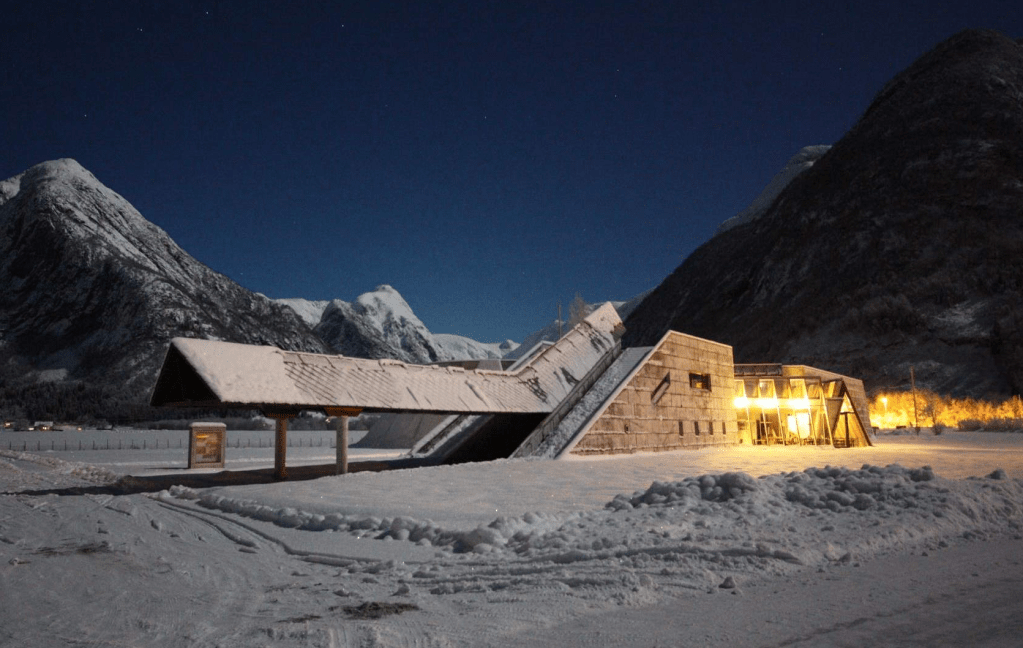
Fehn was known for his thoughtful use of light, space, and natural materials. His designs often feature raw concrete combined with wood, creating a striking contrast between brutalism and warmth.
Final Thoughts
Scandinavian Modern architecture remains one of the most influential design movements today. Its timeless elegance, focus on natural light, and strong connection to nature make it an ideal choice for contemporary homes. Whether you’re drawn to its minimalist aesthetics or its emphasis on functionality and sustainability, this style continues to inspire designers and homeowners worldwide.



One response to “Scandinavian Modern: The Beauty of Simplicity and Functionality”
[…] Check out my article about Scandinavian architecture. […]
LikeLike