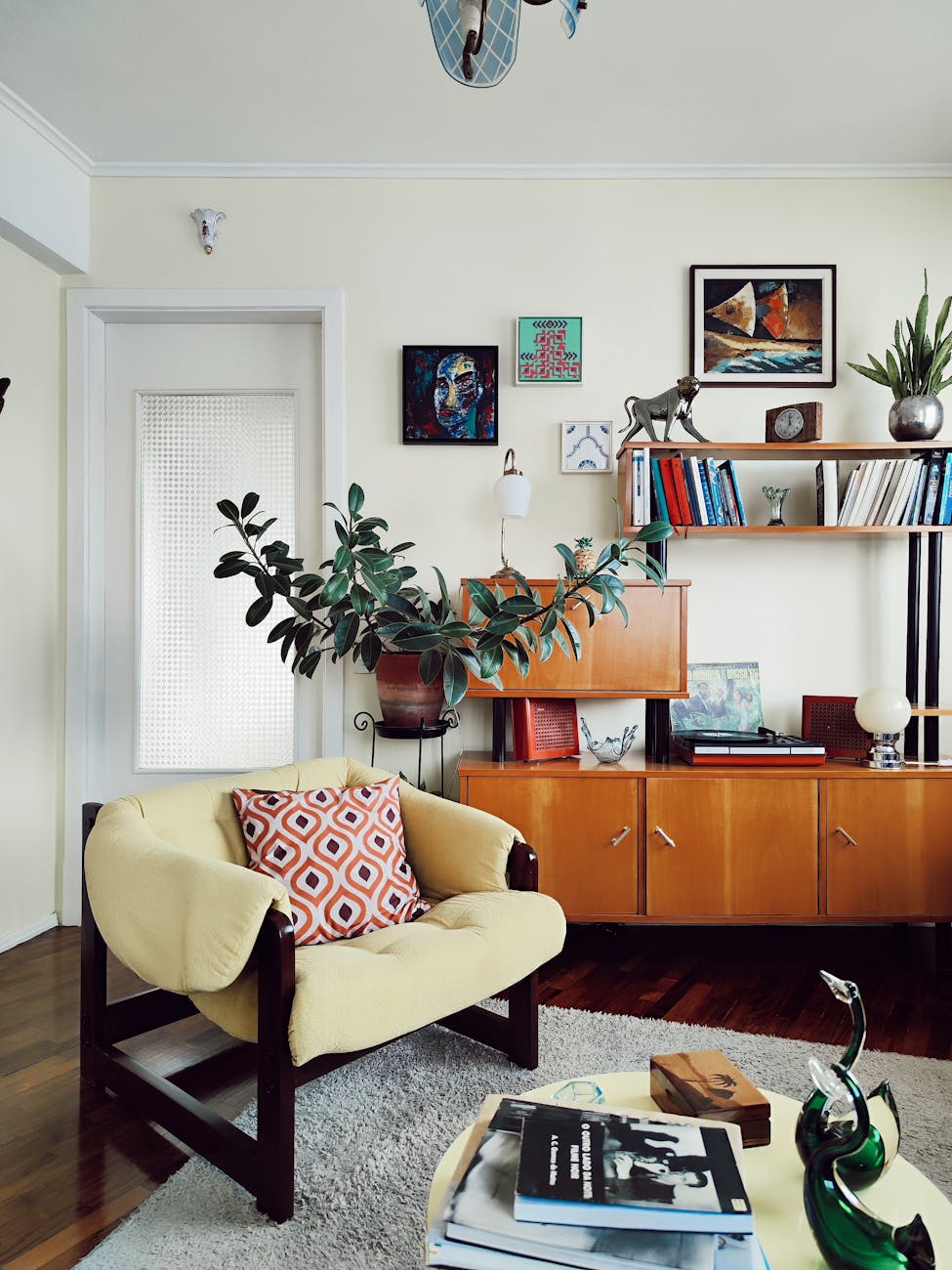
Mid-century modern architecture is more than just a style—it’s a philosophy of design that embraces simplicity, functionality, and a deep connection with nature. Rooted in the post-war era (1940s–1970s), it was present across the world but popular in North America, Brazil and Europe. This movement was heavily influenced by Bauhaus principles, Scandinavian minimalism, and the growing optimism of the time.
The Mid-century modern (MCM) style have seen a major resurgence that began in the late 1990s and continues today.
Defining the style
Mid-century modern architecture is one of the most iconic and enduring design styles, known for its clean lines, functional layouts, and seamless integration with nature. This style remains a favorite for homeowners and designers who appreciate simplicity, openness, and timeless aesthetics.
Open Floor Plan
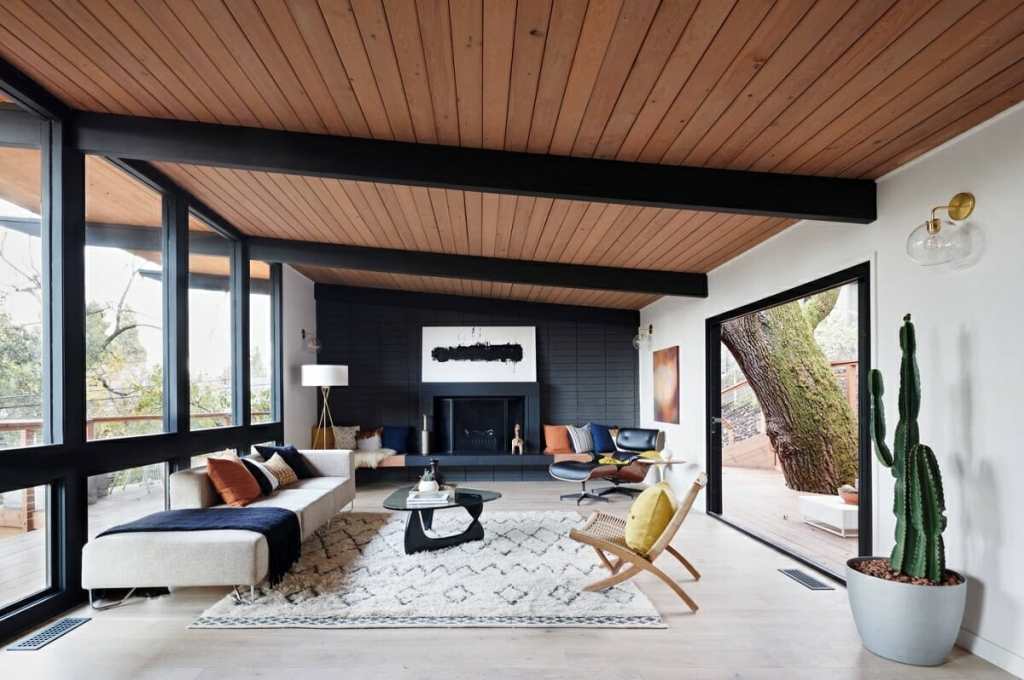
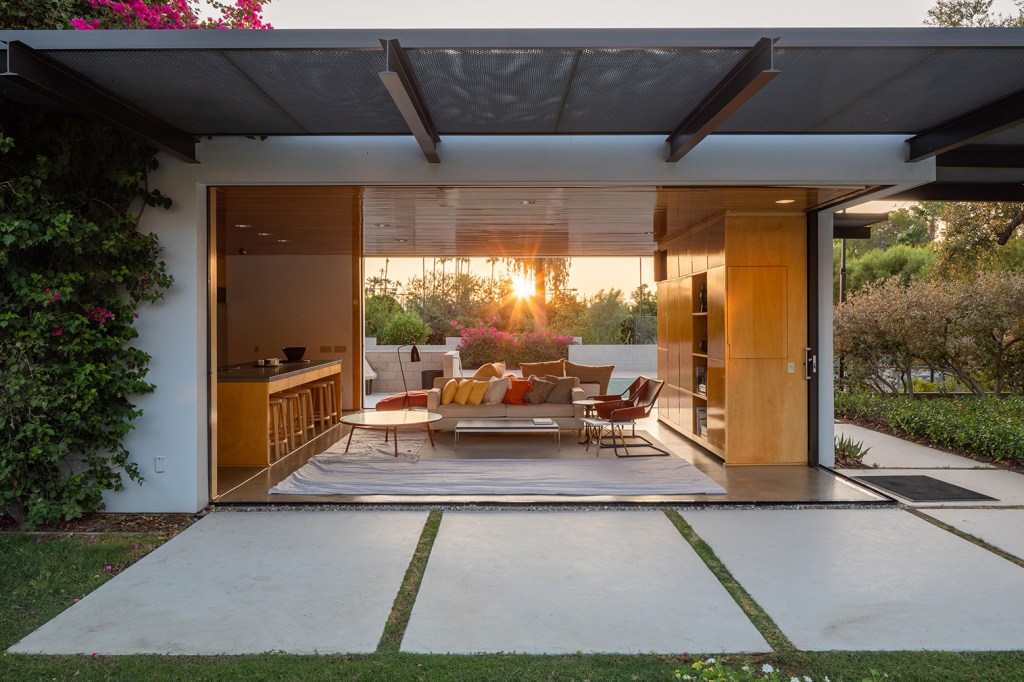
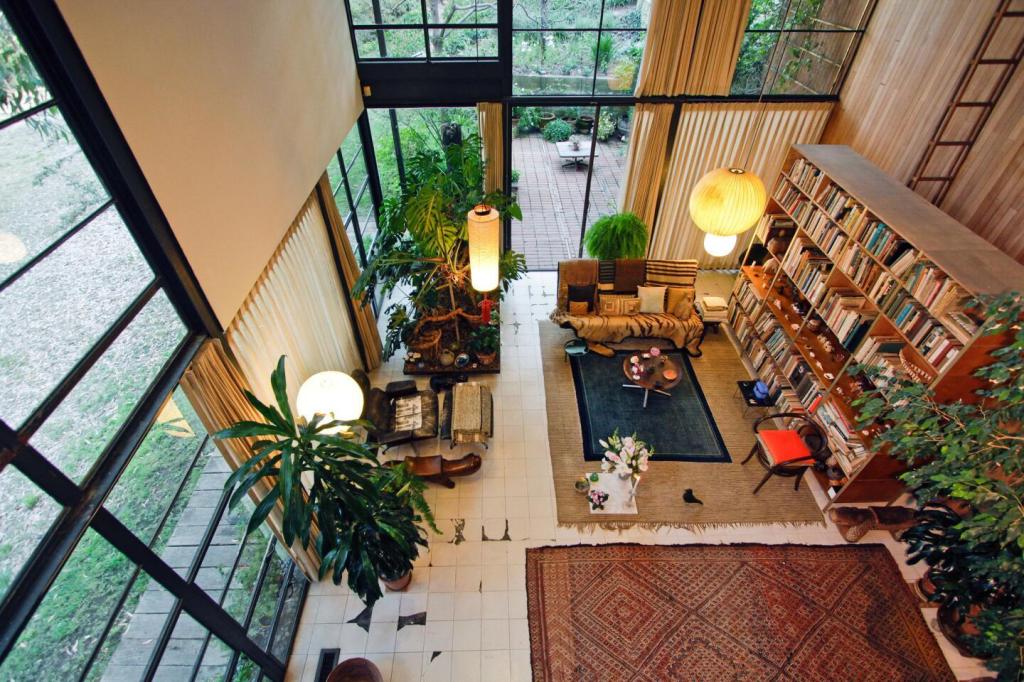
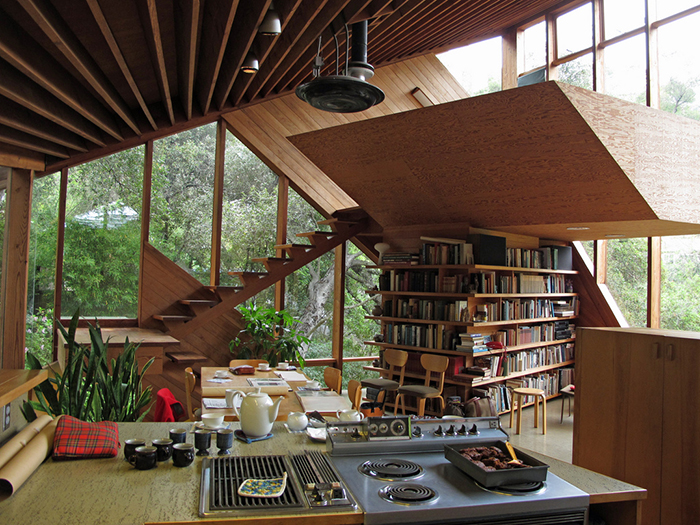
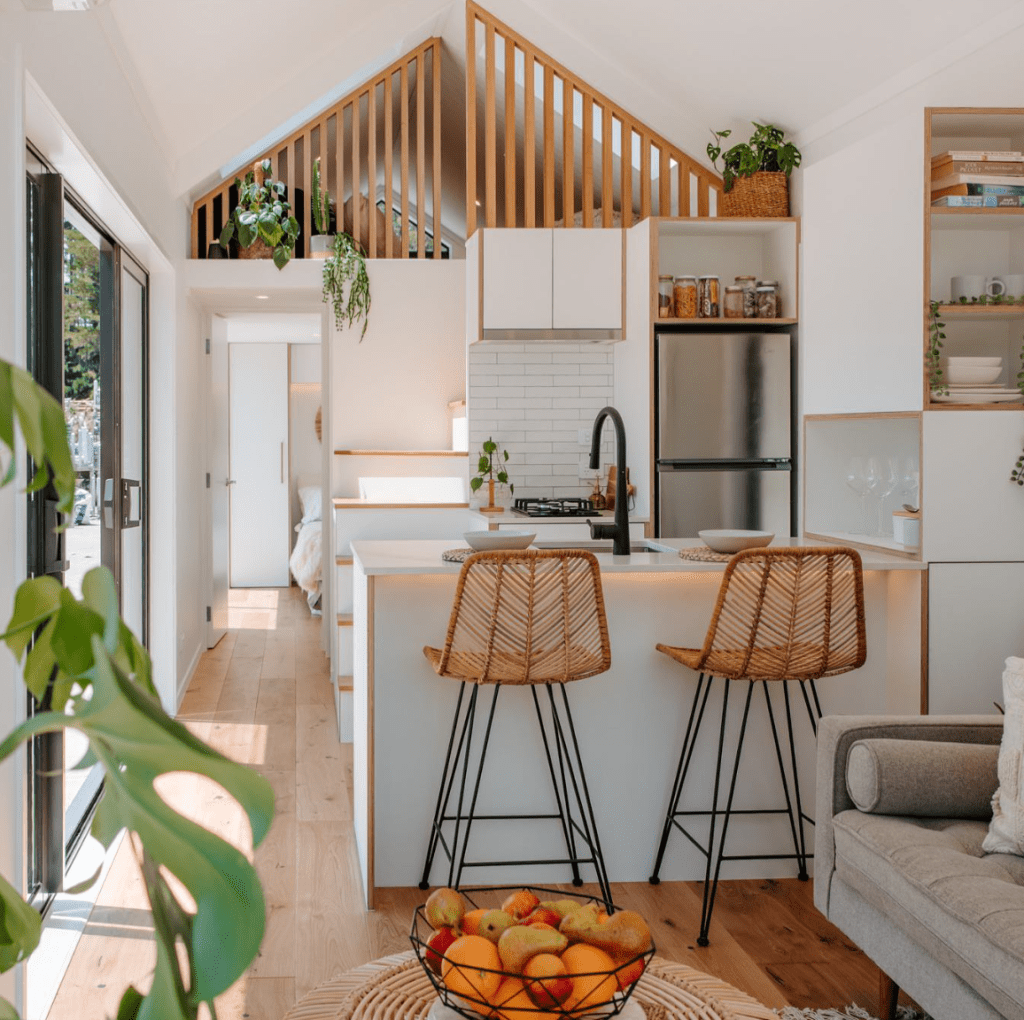
Mid-century modern homes emphasize open, airy layouts that remove unnecessary walls and barriers. This creates a seamless flow between rooms, making the home feel larger and more inviting. Kitchens often blend into living and dining areas, fostering social interaction and maximizing space. The idea was to move away from traditional compartmentalized rooms, allowing light and movement to define the space instead of walls.
Outdoors In
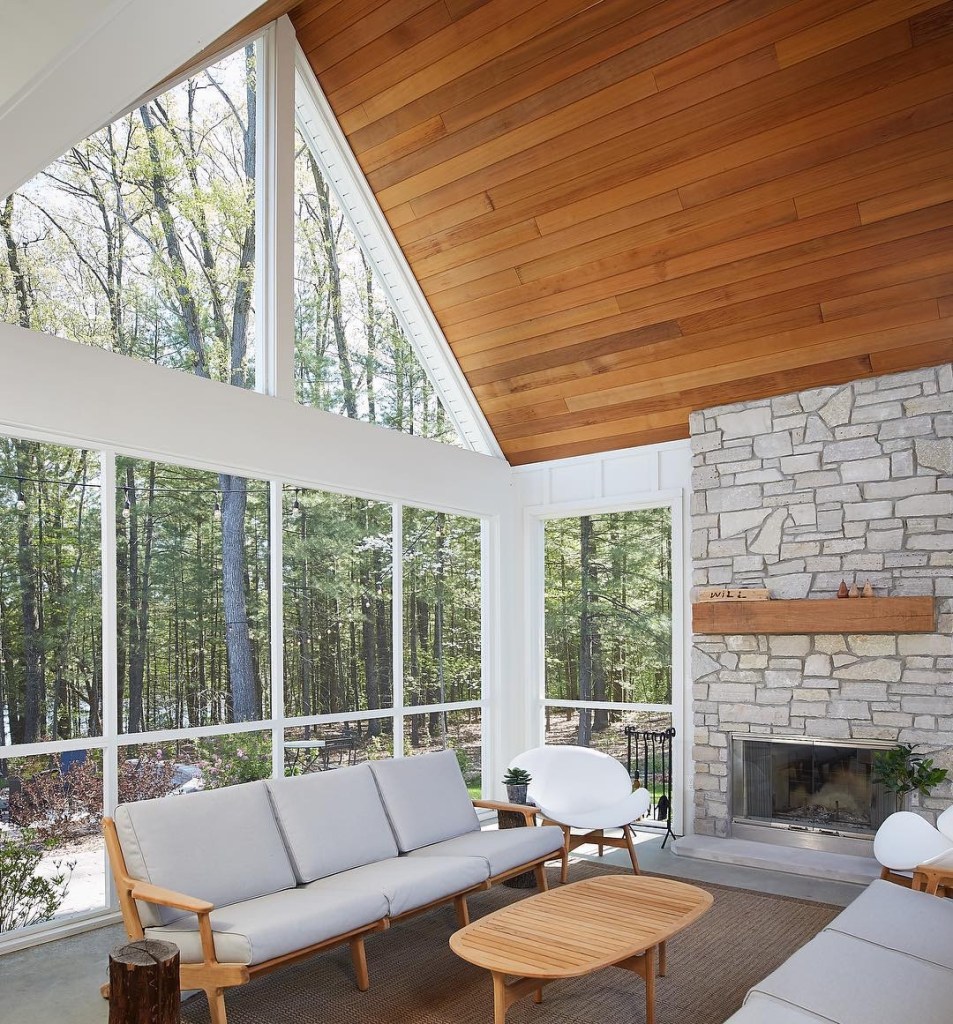
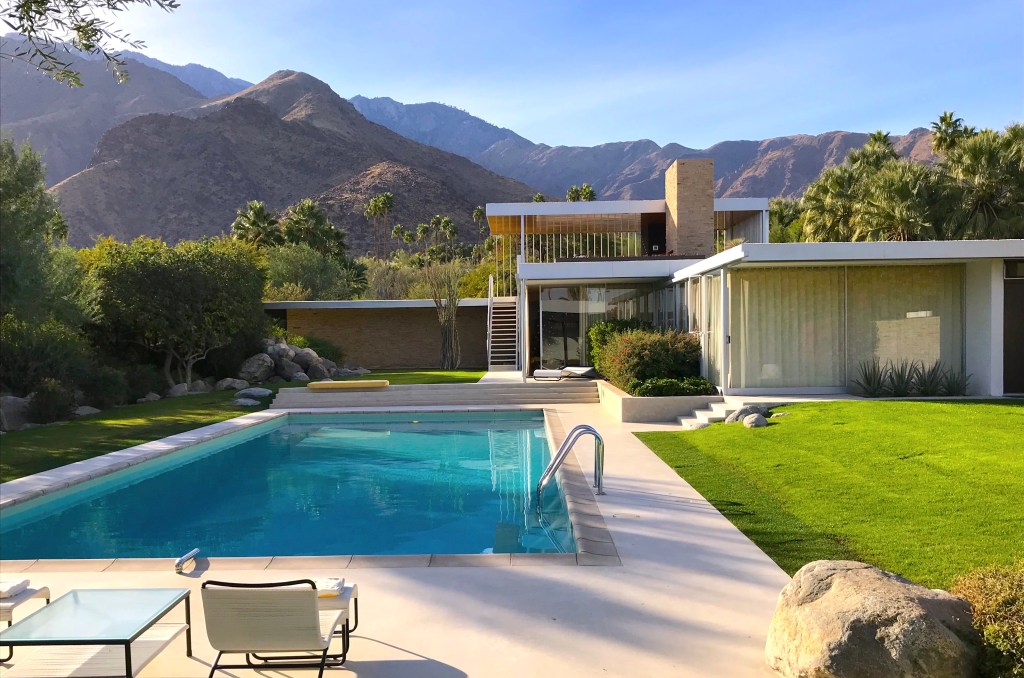
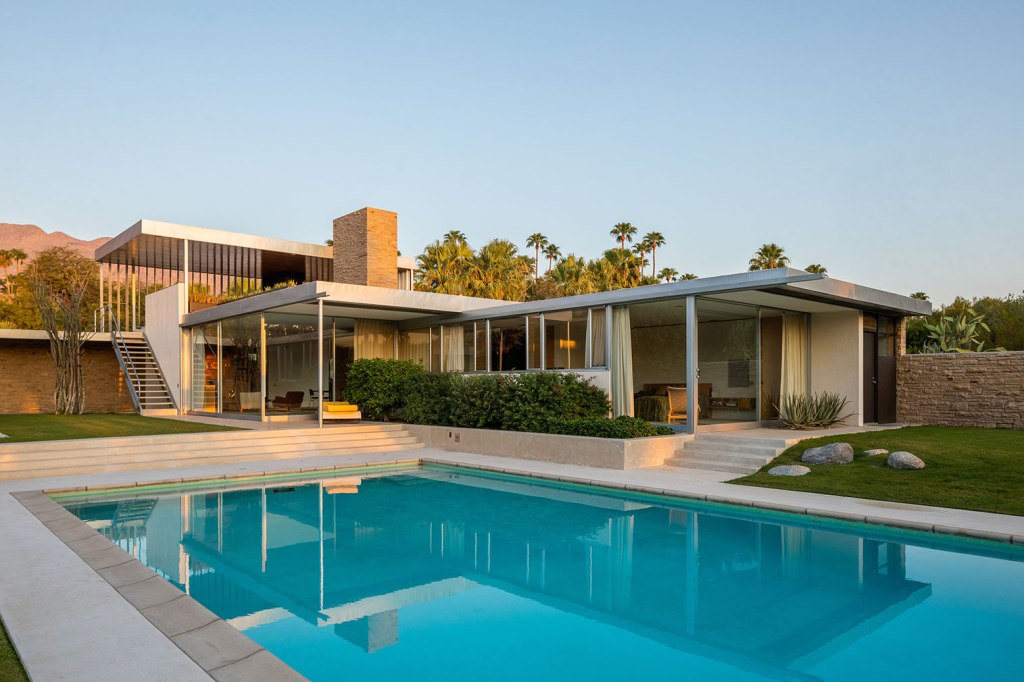
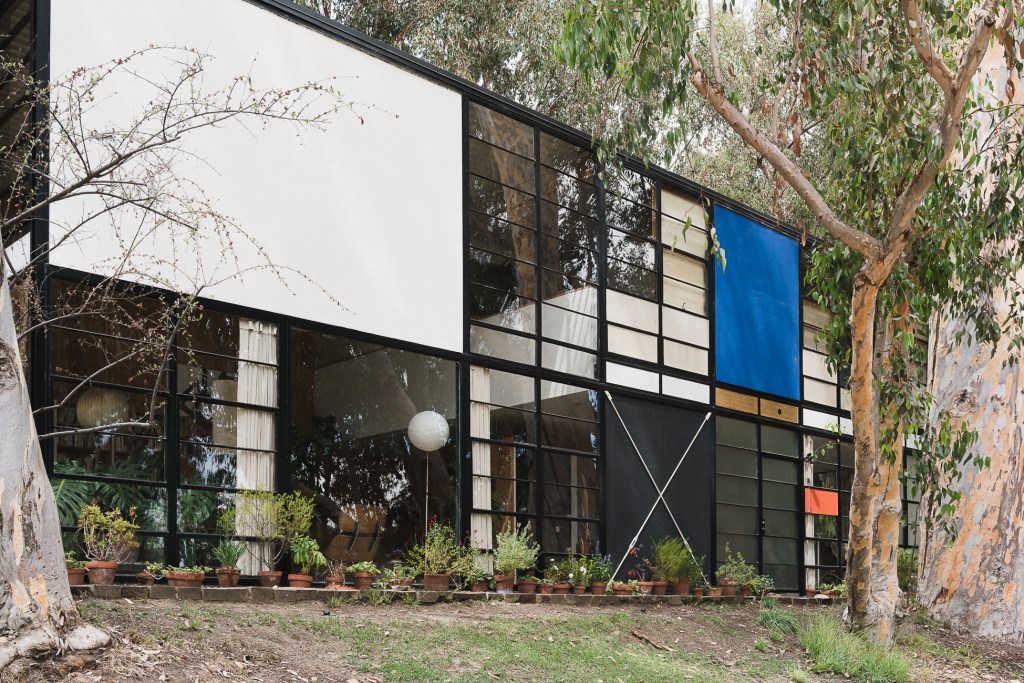
Expansive floor-to-ceiling windows are a defining characteristic of mid-century modern design. These homes prioritize natural light and outdoor views, making nature an extension of the interior. Sliding glass doors and clerestory windows further enhance this indoor-outdoor connection. This feature is especially prevalent in warm climates like California, where architects designed homes to feel integrated with the landscape rather than separate from it.
A Balanced Contrast
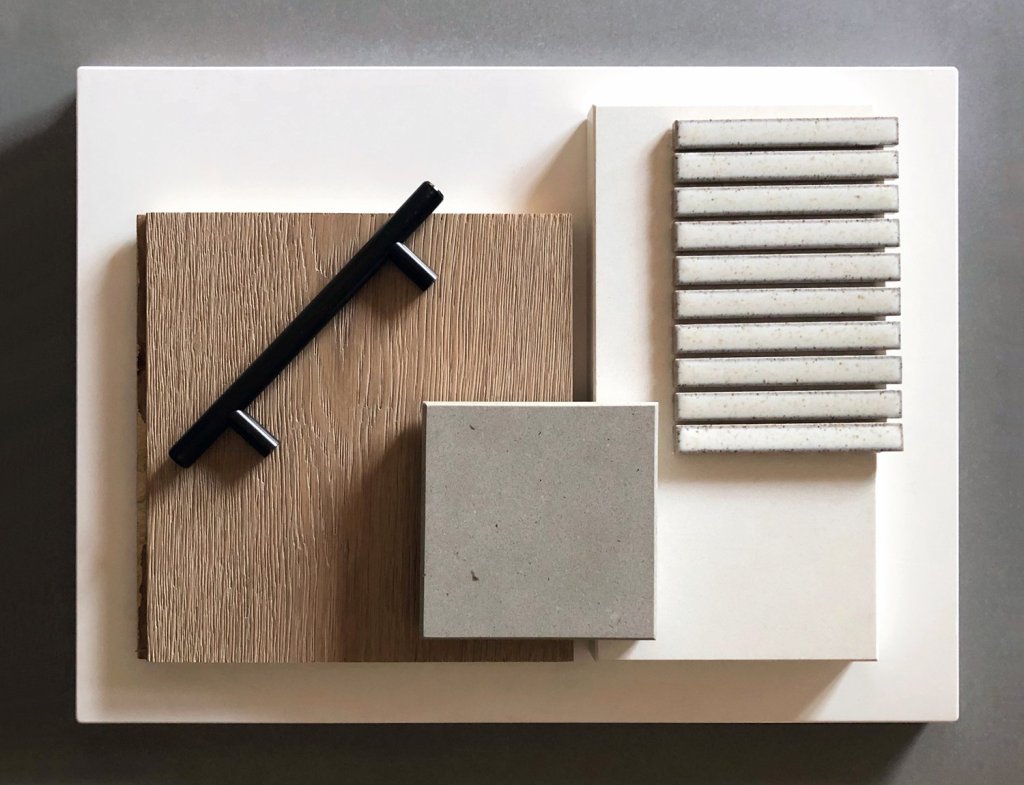
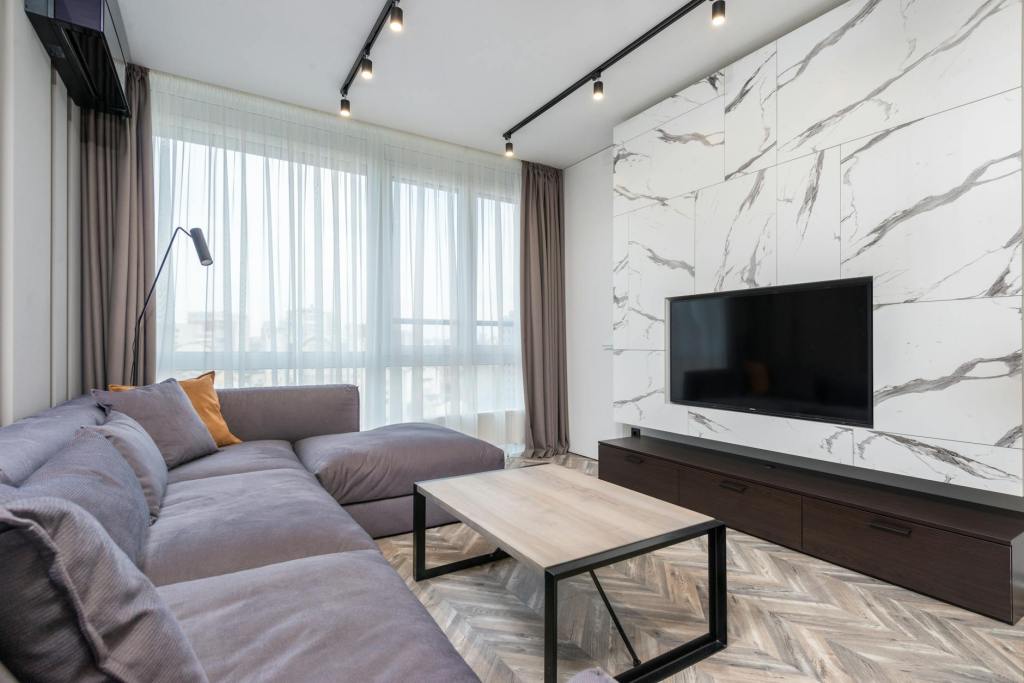
A mix of organic and man-made materials defines mid-century modern interiors. Warm, natural elements like wood, stone, and brick are paired with industrial materials like glass, steel, and concrete. This contrast creates a rich, textured look that feels both modern and welcoming. It adds a lot of personality to the space with the different blends of materials.
Pop of Colour
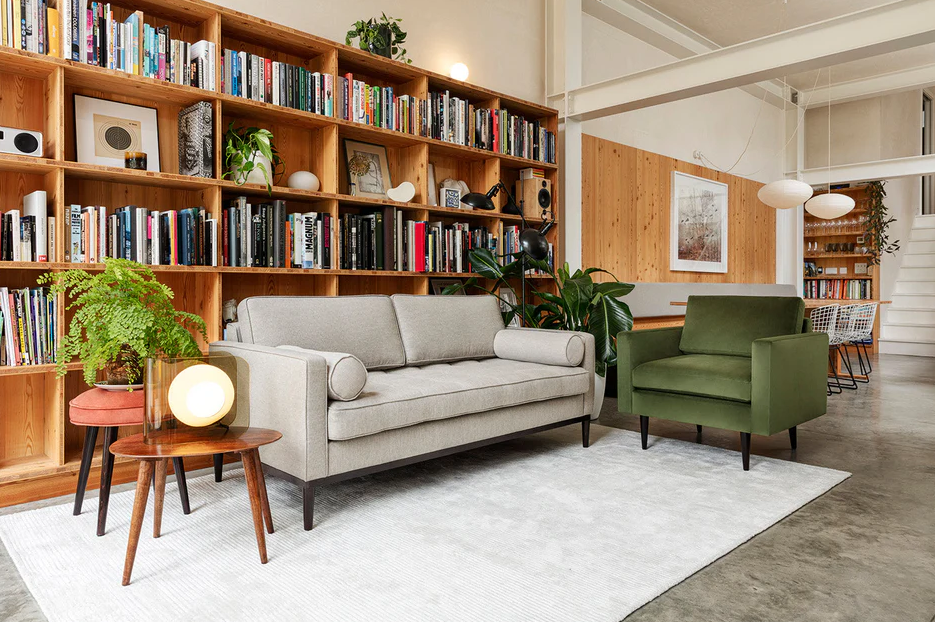
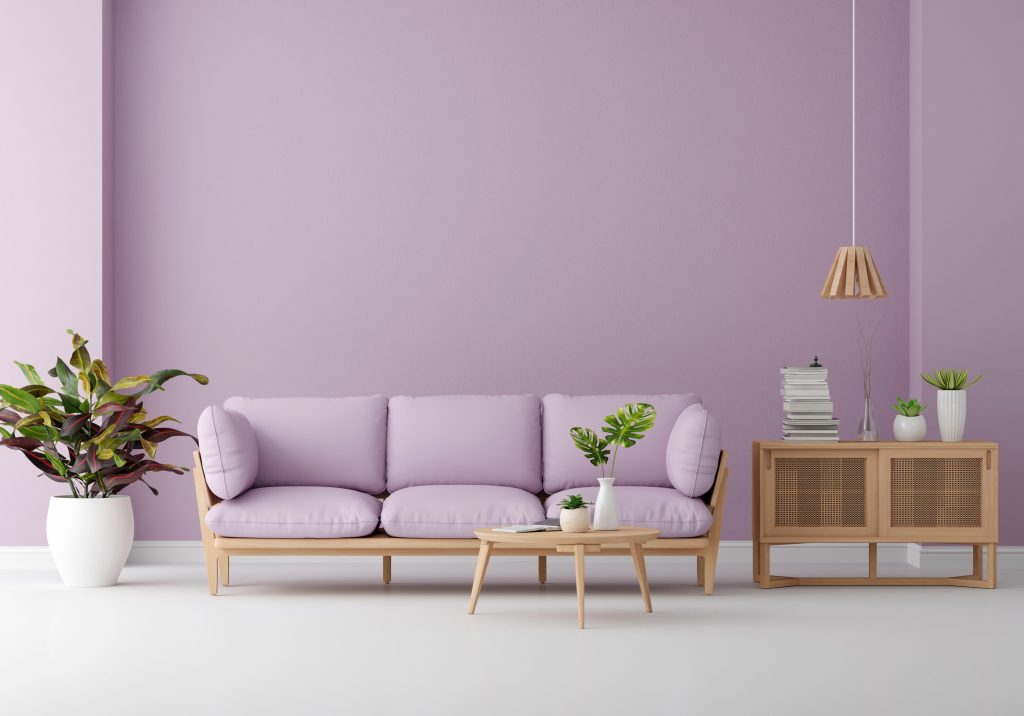
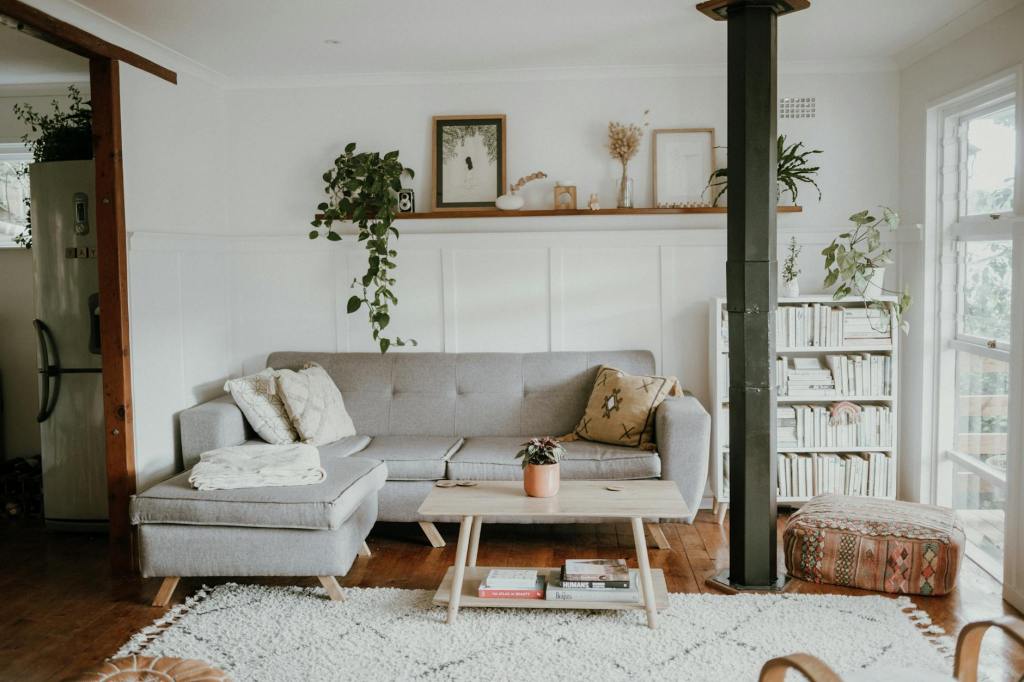
MCM interiors balance earthy tones with bold pops of color. Walls and furniture often feature neutral shades like beige, grey, white, and brown, which serve as a backdrop for vibrant accents. Mustard yellow, burnt orange, deep teal, olive green, and bright red were frequently used in upholstery, rugs, and décor to add personality and contrast. This color philosophy was inspired by both Scandinavian design principles and the optimism of post-war America.
Form Follows Function
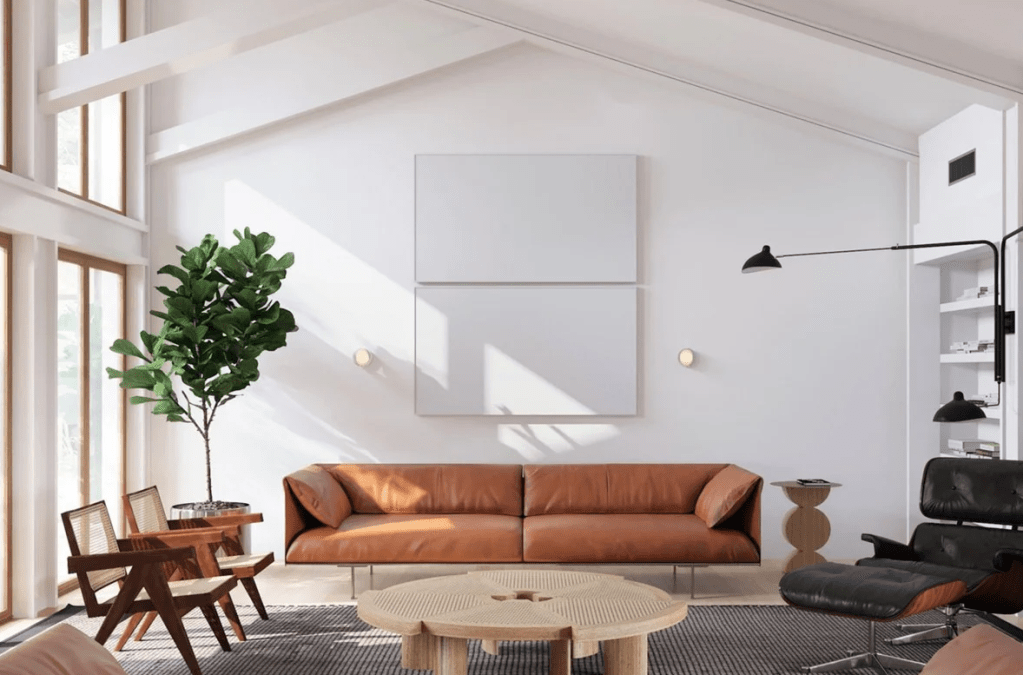
The MCM homes embrace simplicity and practicality. There is little to no decorative molding or excessive detailing—everything is designed with a purpose. Architectural lines are sharp, clean, and geometric, often featuring asymmetry for a more dynamic appearance. The focus is on the structure itself rather than embellishments, which aligns with the “form follows function” philosophy.
A Sleek, Horizontal
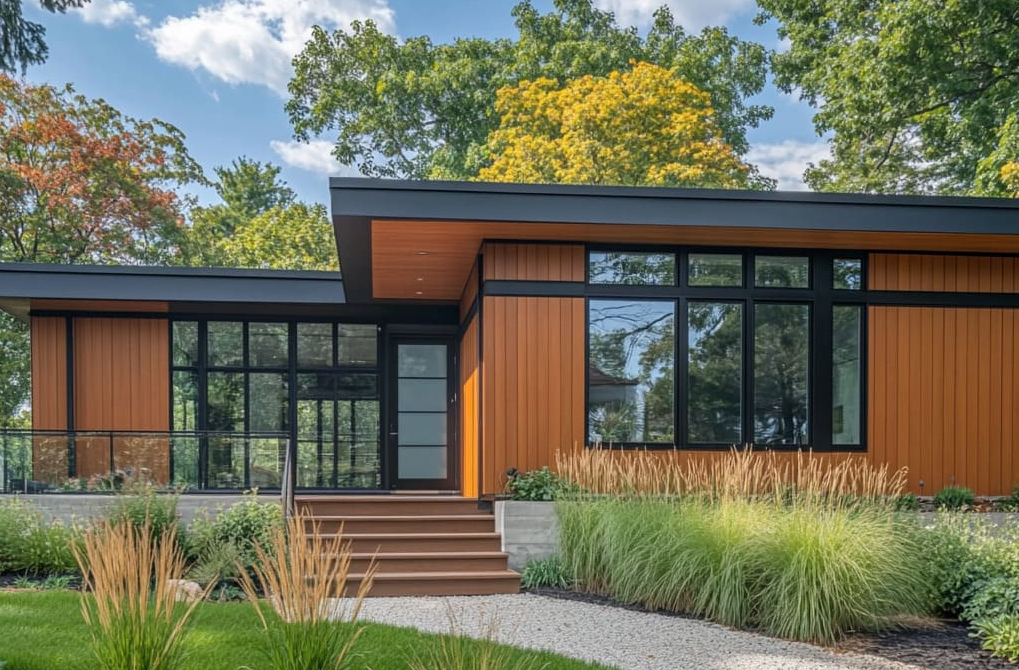
Unlike steep gabled roofs found in traditional homes, MCM architecture favors low-pitched or flat roofs. This emphasizes clean horizontal lines, giving the home a modern, understated appearance. Overhanging eaves provide shade and energy efficiency, reducing the need for artificial cooling while maintaining the minimalist aesthetic.
Pioneered & Popularized
Several influential architects pioneered and popularized mid-century modern architecture, shaping the way we think about open, functional, and nature-integrated design. I will touch on a few who’s style really conversed with me.
Richard Neutra
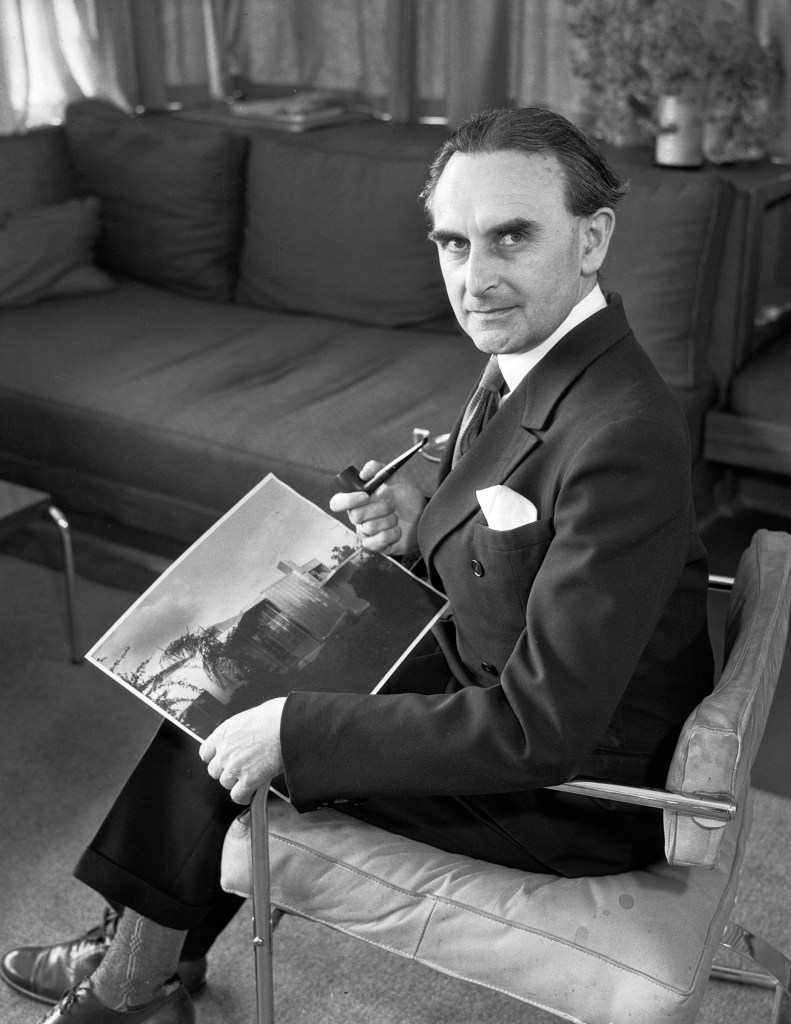
An Austrian-American architect, Neutra was a master of indoor-outdoor living, pioneering the use of glass walls and steel structures. His designs were sleek, functional, and deeply connected to their environment.
Charles & Ray Eames
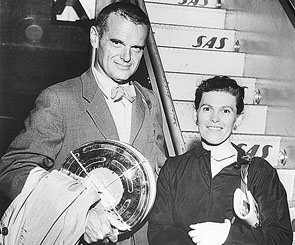
This husband-and-wife duo revolutionized modern furniture and architecture, blending playful creativity with functional simplicity. Their Case Study House No. 8 became an iconic example of the mid-century modern aesthetic.
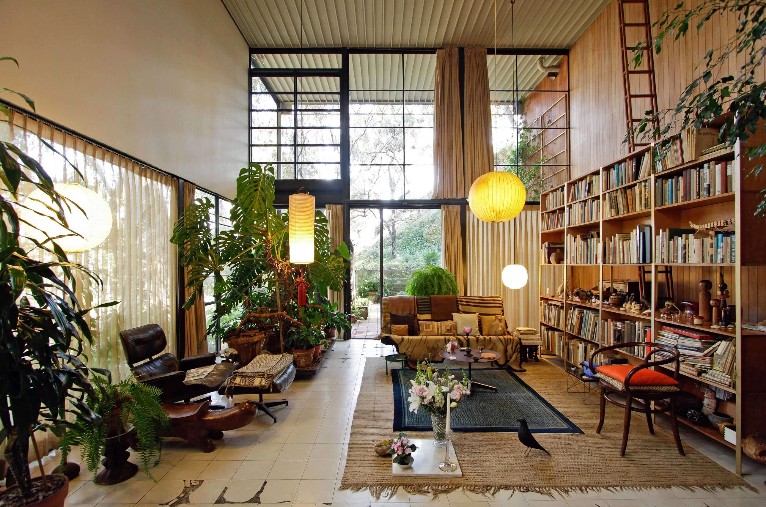
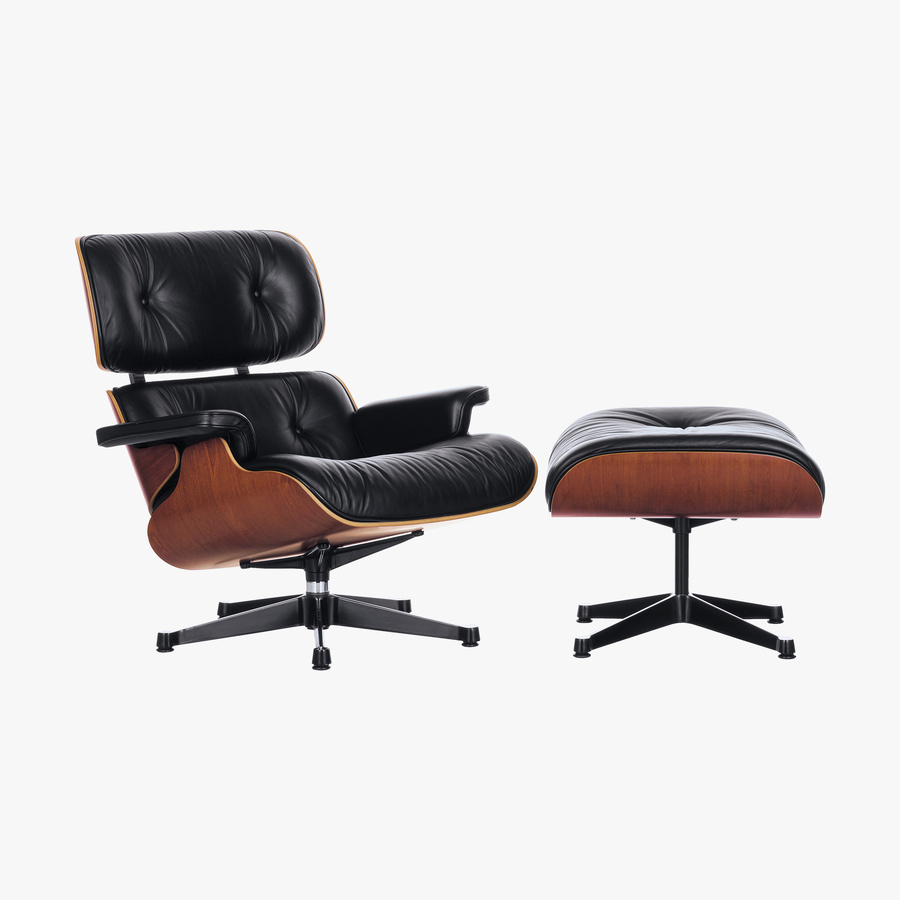
The Eames Lounge Chair and Ottoman is one of the most iconic pieces of modern furniture ever designed. Created in 1956, this chair became a symbol of mid-century modern design. It was one of the first chairs to combine mass production techniques with high-end craftsmanship.
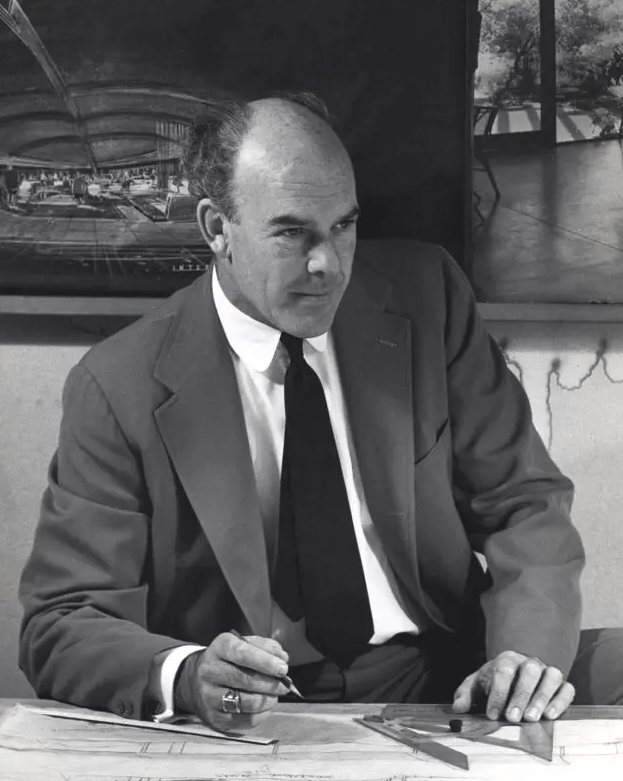
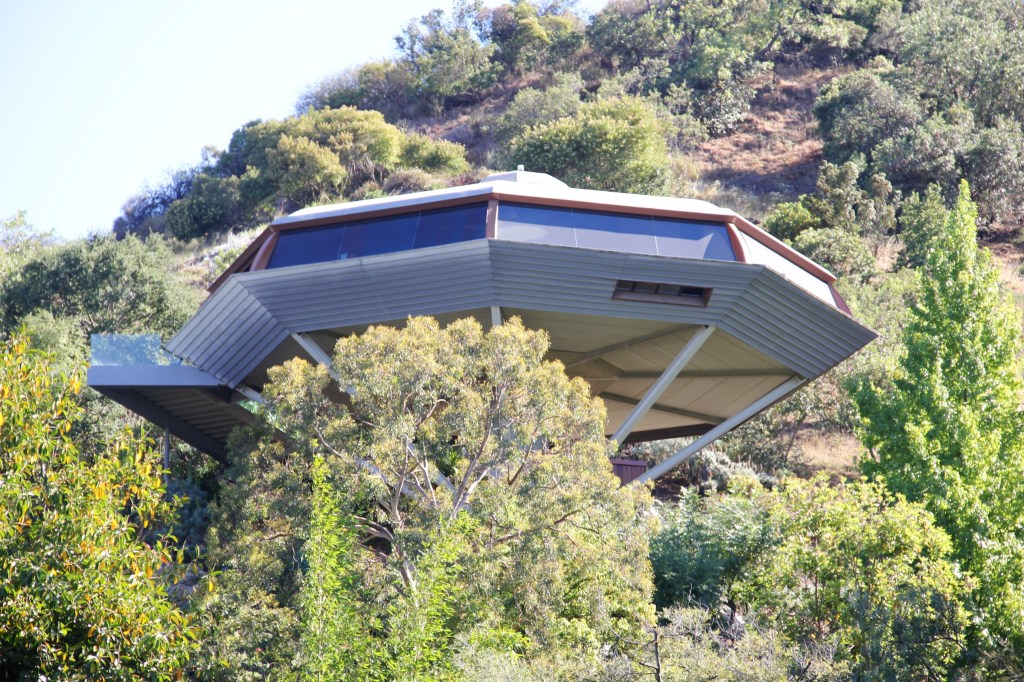
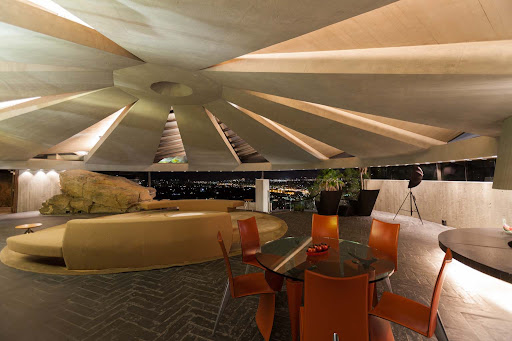
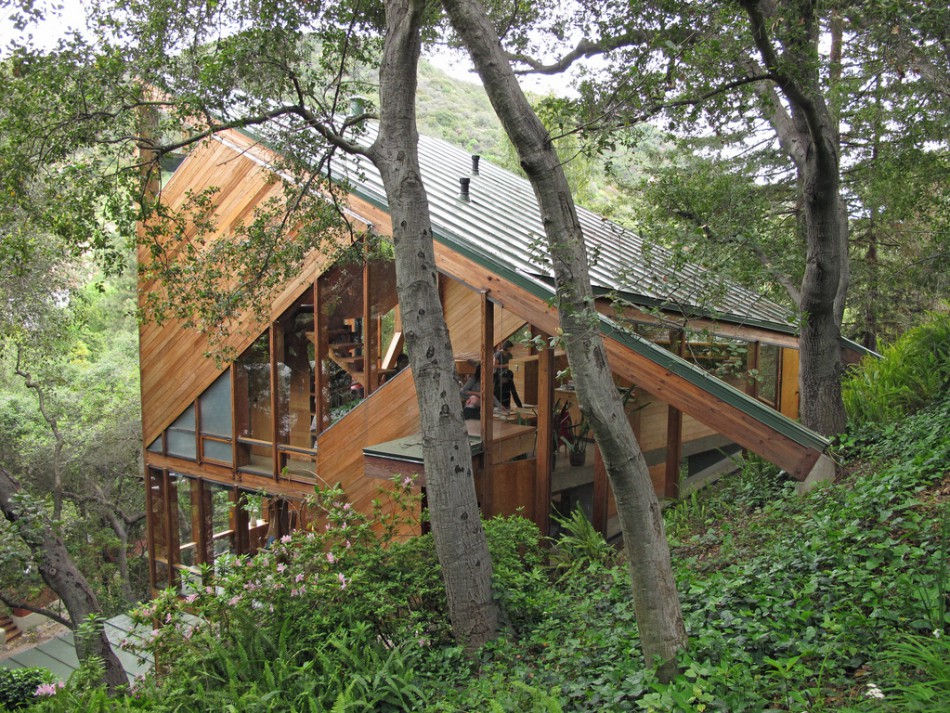
John Lautner
Lautner’s futuristic, sculptural homes pushed the boundaries of mid-century modernism. His work often featured sweeping curves, dramatic cantilevers, and a bold use of concrete and glass.
Final Thoughts
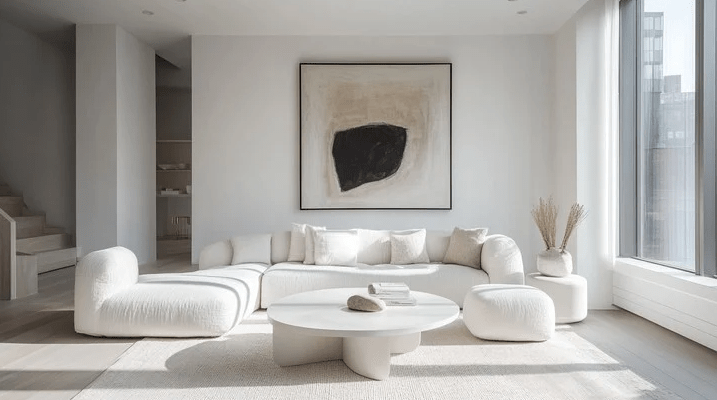
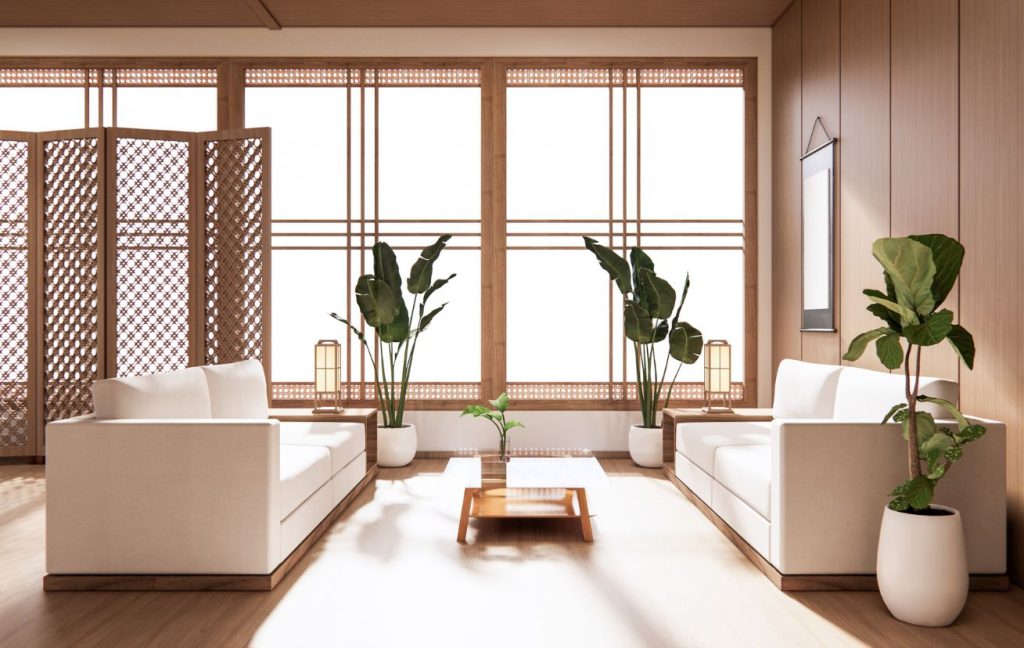
MCM architecture remains one of the most beloved and influential design styles today. Its focus on openness, simplicity, and natural elements has made it an enduring choice for those who appreciate functional beauty and timeless appeal. I personally am a huge fan of mixing MCM and minimalism to create beautiful sleek spaces, pops of colour to add coziness. Whether you’re renovating a mid-century home or incorporating elements into a modern space, these features can bring a sense of warmth, elegance, and harmony with nature.

 RenoDIY